Understanding Flathead Equipment Rental
What is Flathead Equipment?
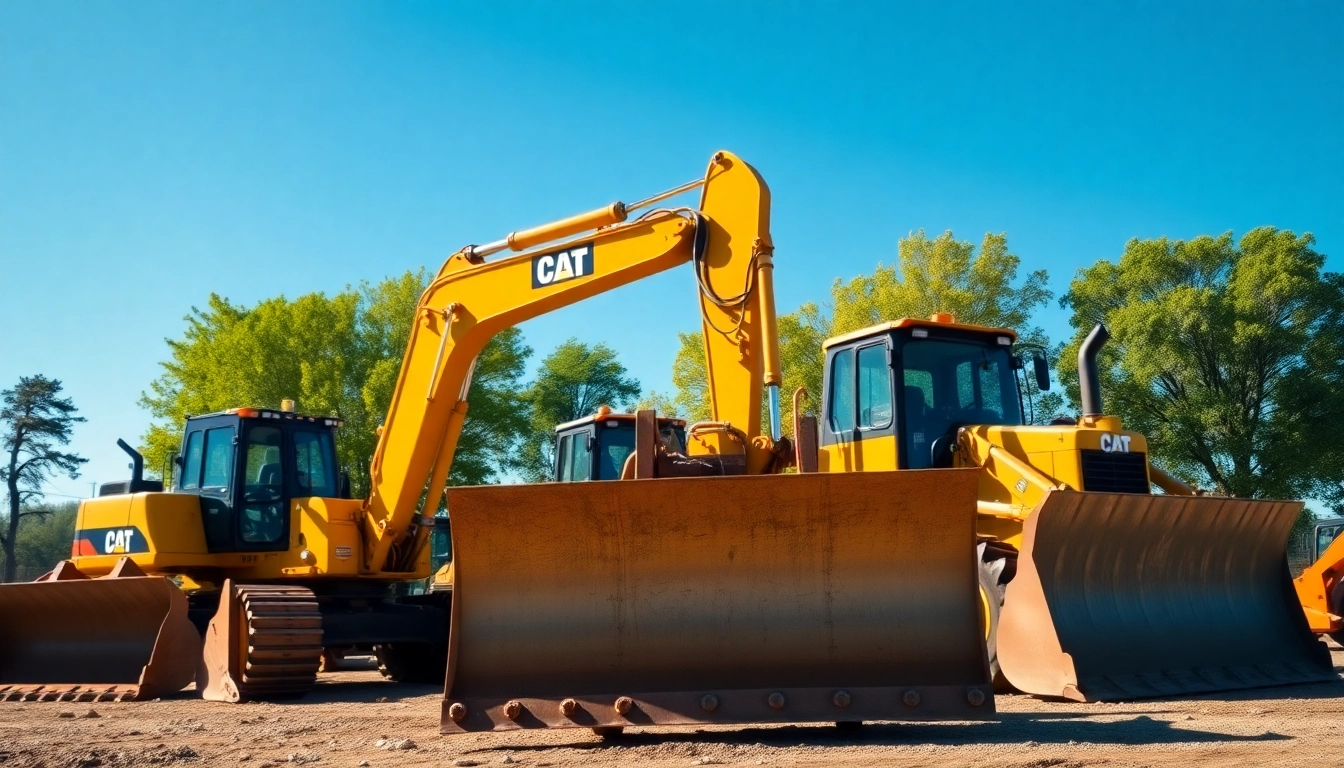
Flathead equipment is a category of heavy machinery and tools utilized in various industries, particularly in construction, landscaping, and excavation. This equipment typically includes items like excavators, bulldozers, loaders, and tools that can facilitate diverse tasks such as digging, grading, and hauling. In the scenic Flathead Valley, where natural beauty meets industrial needs, the demand for specialized equipment is essential to manage projects efficiently. For those considering a rental, flathead equipment rental offers a flexible and cost-effective solution.
Benefits of Rental Over Purchase
Renting flathead equipment provides a plethora of advantages over buying, particularly for short-term projects. Firstly, you avoid the substantial upfront costs associated with purchasing new machinery. This allows businesses and individuals to allocate their budgets more effectively. Furthermore, rental agreements usually include maintenance services, meaning the equipment is regularly serviced and in excellent working condition, reducing downtime due to repairs.
Rentals also allow access to the latest technology. As equipment evolves, staying updated with new features and capabilities can greatly enhance productivity. By choosing a rental option, you can choose the exact equipment tailored to specific project needs and requirements without the burden of ownership. This flexibility can lead to considerable time and cost savings, particularly for businesses with fluctuating project scopes.
Common Types of Flathead Equipment Available
Flathead equipment rental encompasses a variety of machinery to cater to different tasks and industries. Common types include:
- Excavators: Ideal for digging, grading, and moving large amounts of soil.
- Bulldozers: Used for clearing land, grading surfaces, and pushing material around a job site.
- Loaders: Designed to scoop, lift, and move material from one location to another.
- Skid Steers: Versatile machines that can navigate tight spaces; perfect for landscaping and smaller tasks.
- Aerial Lifts: Essential for projects requiring elevation, allowing workers to access high areas safely.
How to Choose the Right Flathead Equipment Rental
Assessing Your Project Needs
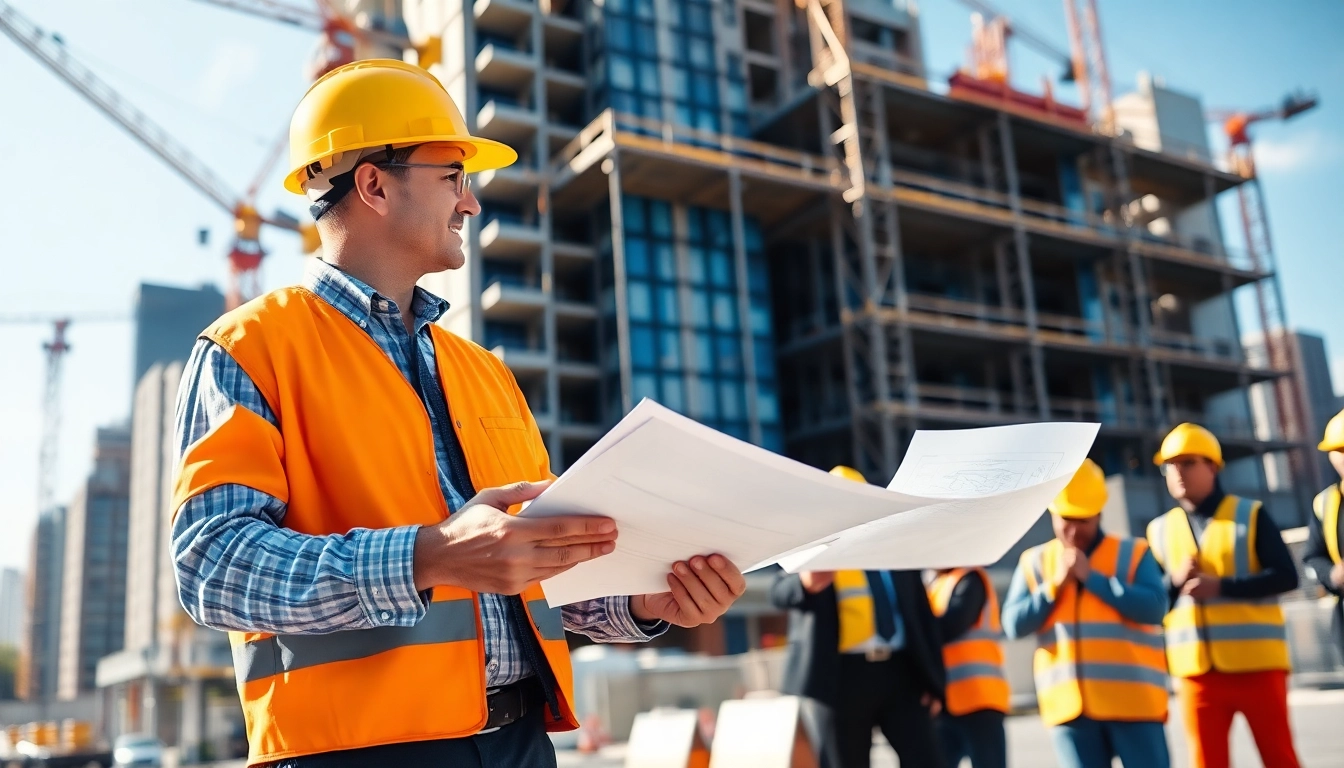
Choosing the appropriate equipment begins with a thorough assessment of your project needs. Consider the scope and specifications of the project, including the type of work required, the terrain, and the timeline. For instance, if you're working on a large excavation site, an excavator may be necessary, whereas a smaller landscaping job might only require a skid steer.
Consulting with team members and planning the specific tasks can help clarify which equipment is necessary. Measuring the dimensions of the workspace can also provide insights into size constraints for equipment usage.
Evaluating Rental Companies
When selecting a rental company, ensure that they have a reputation for reliability and service quality. Research customer reviews and speak to past clients if possible to gauge their experiences. Look for companies that offer competitive pricing, a wide range of equipment, and flexible rental terms. Also, consider their support for maintenance and customer service after the rental is made.
It’s advantageous to choose a local provider who understands the specific needs and challenges of the Flathead Valley, as they will offer insights and assistance better tailored to regional requirements.
Tips for Comparing Equipment
Once you have narrowed down your options, it’s essential to closely compare the pieces of equipment available for rental. Consider these factors:
- Performance: Check specifications such as horsepower, digging depth, and lift capacity based on your project needs.
- Condition: Inspect the equipment for any signs of wear and tear, and ensure it is well-maintained.
- Fuel Efficiency: Consider the operating costs involved; equipment that consumes less fuel can save you money in the long run.
- Attachments and Accessories: Determine if additional tools (such as buckets or forks) are needed for your tasks and if they can be rented together.
Essential Safety Practices with Flathead Equipment
Safety Training Requirements
Operating flathead equipment safely requires thorough training. Operators should be well-versed in the equipment's controls, capabilities, and potential hazards. Many companies providing rentals also offer training services, which could be invaluable for inexperienced users. OSHA guidelines recommend that all heavy equipment operators receive specific safety training followed by practical experience.
Adherence to Safety Regulations
Compliance with safety regulations is crucial when renting and operating equipment. Ensuring that you meet all local and federal safety standards protects not only the equipment but also the operators and crew members. Familiarize yourself with OSHA regulations and industry best practices to maintain a safe work environment. This adherence not only protects individuals but also minimizes legal risks associated with accidents or injuries.
Equipment Maintenance Checks
Before operating any rented equipment, conduct a thorough maintenance check to ensure that everything functions correctly. This includes inspecting for oil leaks, checking tire pressure, and testing safety features like alarms and emergency shut-offs. If any issues arise, report them to the rental company immediately. Keeping the equipment in top condition ensures safe operation and can prevent costly repairs.
Cost Considerations in Flathead Equipment Rental
Understanding Rental Pricing Models
Rental costs for flathead equipment typically vary based on factors such as the type of equipment, duration of the rental, and local demand. Common pricing models include:
- Daily Rentals: Suitable for short projects; often charged at a flat daily rate.
- Weekly Rentals: Economical for projects that last longer than a few days, usually offering a discounted rate compared to daily rentals.
- Monthly Rentals: Best for extended projects, offering the most significant cost savings for long-term use.
Hidden Costs to Be Aware Of
While evaluating rental prices, it is essential to consider potential hidden costs. These might include:
- Delivery and Pickup Fees: Often charged separately, especially if the rental company must transport equipment to your site.
- Insurance Costs: Ensure you understand the insurance coverage for damages or accidents while the equipment is in your possession.
- Maintenance Fees: Some rental agreements may hold you liable for minor maintenance, which can add up if not accounted for upfront.
Budgeting for Equipment Rental
Establishing a clear budget is vital for managing rental expenses effectively. When drafting your budget, consider all costs: the rental rates, any additional fees, and projected operational costs (like fuel and maintenance). This comprehensive approach will help you avoid unexpected expenses and ensure that you have allocated sufficient resources for your project at every stage.
FAQs About Flathead Equipment Rental
What types of projects require flathead equipment?
Flathead equipment is ideal for construction, roadwork, excavation, and landscaping projects requiring heavy machinery.
How long can I rent flathead equipment?
Rental durations vary, with options for daily, weekly, or monthly rentals depending on your project needs.
Are there any age restrictions for renting equipment?
Typically, renters must be at least 18 years old and may need to provide a valid driver's license and identification.
How can I ensure the equipment is safe to use?
Always conduct safety checks prior to use and ensure operators are trained to handle flathead equipment.
What should I do if the rented equipment has a problem?
Contact the rental company immediately for assistance; most have protocols for equipment issues during rental periods.