Understanding the Role of a Manhattan Construction Manager
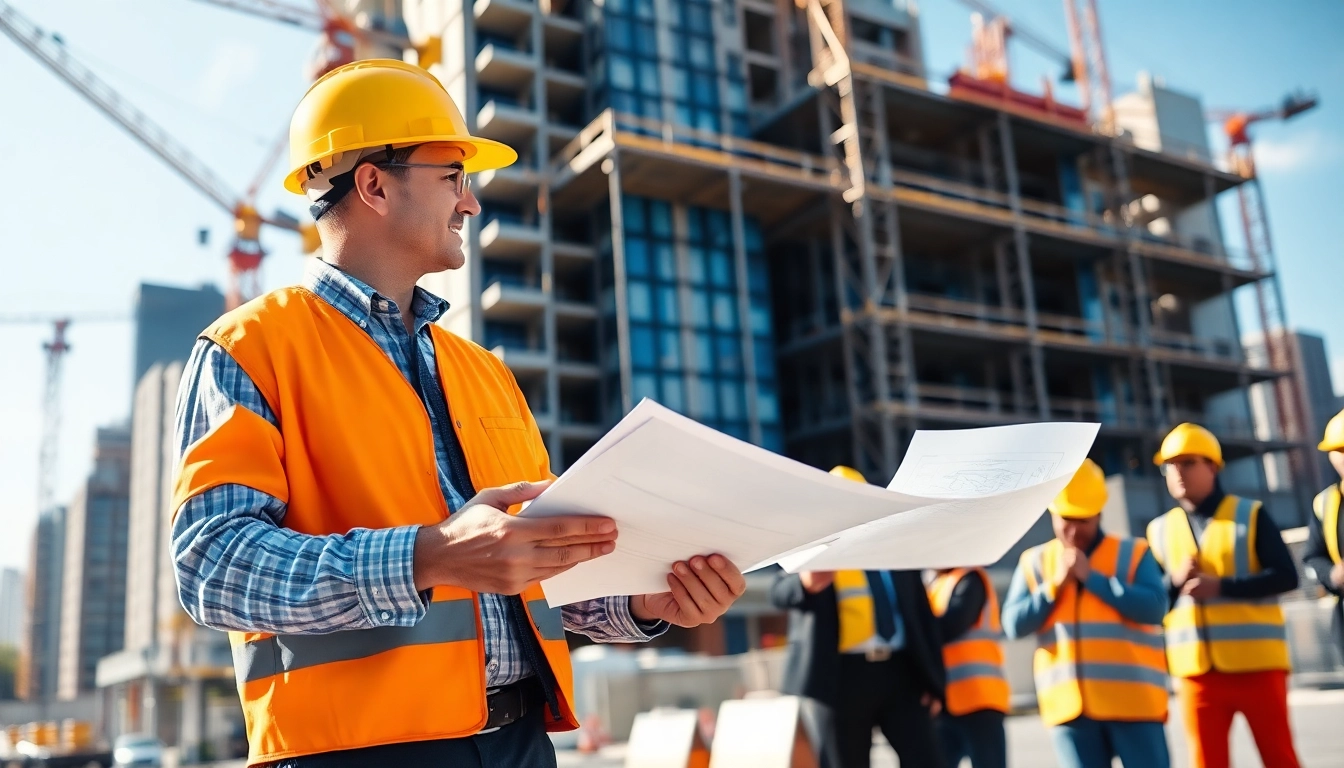
The Manhattan Construction Manager plays a pivotal role in the construction landscape, particularly in the bustling environment of Manhattan, where urban complexity necessitates a high level of expertise and strategic management. They are tasked with overseeing various aspects of construction projects, from the initial planning stages through to final execution and delivery.
Key Responsibilities and Duties
A Manhattan Construction Manager takes on a multitude of responsibilities that require a diverse skill set. At the forefront is project management, which involves coordinating with architects, engineers, and clients to define project scopes, timelines, and budgets. They ensure that the project is progressing according to schedule while adhering to established budgets and quality standards. Specific duties include:
- Conducting site analyses and feasibility studies.
- Preparing and presenting detailed project proposals.
- Managing procurement processes and supplier contracts.
- Supervising on-site personnel and subcontractors.
- Addressing potential issues proactively to maintain workflow efficiency.
- Implementing project monitoring tools to track progress and costs.
Through these tasks, the construction manager acts as the keystone in ensuring that all parties are aligned and that the project vision is realized effectively.
Essential Skills for Success
Success as a Manhattan Construction Manager hinges on several key competencies. Strong leadership skills enable them to motivate teams and resolve conflicts that may arise on-site. Additionally, technical knowledge of construction methods and materials is essential. Among the most crucial skills are:
- Communication: Clear and precise communication with all stakeholders is vital for project clarity and success.
- Problem-Solving: The ability to rapidly devise solutions to unexpected challenges can keep projects on track.
- Time Management: Effectively prioritizing tasks ensures that critical deadlines are met.
- Financial Acumen: Understanding budgeting and cost-control measures is necessary for maintaining fiscal responsibility.
By mastering these skills, a Manhattan Construction Manager can navigate the complexities of construction projects with confidence and expertise.
Impact on Project Timelines
Timely project completion is a benchmark of success in construction management. A Manhattan Construction Manager directly influences project timelines by implementing efficient workflows, utilizing project management software, and ensuring clear communication among all stakeholders. They are adept at identifying critical paths in project schedules and reallocating resources when necessary to prevent delays. Their proactive management style often includes:
- Regular progress meetings to evaluate status against timelines.
- Use of Gantt charts or project management software for tracking milestones.
- Anticipating potential bottlenecks and adjusting plans accordingly.
Such strategies not only guard against delays but also enhance the potential for early project completion, resulting in increased client satisfaction and potential cost savings.
Project Management Strategies
Effective Planning Techniques
Planning is the cornerstone of any successful construction project. A Manhattan Construction Manager employs various planning techniques to outline project scopes and objectives clearly. Before commencing construction, they assess project needs, involve stakeholders in decision-making, and prepare comprehensive timelines. Important planning strategies include:
- Developing a project charter to outline major goals and deliverables.
- Creating a risk management plan that identifies potential pitfalls.
- Collaborating with engineers to finalize design specifications.
These methods allow for a structured approach, minimizing setbacks, and ensuring all team members understand their roles from the outset.
Budgeting and Cost Control
Budget management is a fundamental responsibility for a Manhattan Construction Manager. Establishing a detailed budget early on is crucial for monitoring expenses and ensuring the project remains financially viable. Key steps in budgeting and cost control include:
- Estimating construction costs based on current market rates and material prices.
- Using software tools for real-time tracking of expenses against budget forecasts.
- Implementing cost-saving techniques such as value engineering, which aims to enhance functionality while reducing costs.
Through vigilant oversight and strategic planning, construction managers can reduce unnecessary expenditures and optimize project financials.
Utilizing Digital Tools for Management
Modern construction management heavily relies on digital tools to enhance project coordination. A Manhattan Construction Manager utilizes Software-as-a-Service (SaaS) platforms, cloud storage, and mobile applications to streamline communication and documentation. Popular tools may include:
- Building Information Modeling (BIM): Enhances collaboration by allowing stakeholders to visualize the project in a digital format.
- Project Management Software: Enables tracking tasks, budgets, and deadlines in real-time.
- Collaboration Platforms: Facilitate seamless communication across teams, especially for remote workers.
These tools not only promote efficiency but also foster transparency among all parties involved, ultimately contributing to the project's success.
Challenges Faced by Construction Managers
Navigating Regulatory Requirements
Construction projects often involve numerous regulatory requirements that can complicate the management process. A Manhattan Construction Manager must have a thorough understanding of local building codes, zoning laws, and environmental regulations. To effectively navigate these challenges, they often:
- Engage with regulatory bodies early in the planning process for guidance.
- Maintain up-to-date knowledge of changes in laws and regulations.
- Conduct site inspections to ensure compliance with safety standards.
By being proactive and informed, construction managers can avoid costly penalties and delays associated with regulatory non-compliance.
Managing Stakeholder Expectations
Balancing the expectations of various stakeholders, including clients, subcontractors, and regulatory agencies, is a significant challenge for construction managers. Clear and consistent communication is paramount in managing these expectations. Strategies include:
- Regular status updates that keep stakeholders informed of progress and potential issues.
- Engaging stakeholders in decision-making processes to foster collaboration.
- Utilizing feedback mechanisms to address concerns swiftly.
By effectively managing stakeholder communication, a Manhattan Construction Manager can build trust and ensure that all parties feel valued throughout the project.
Interdepartmental Communication
Construction projects require the collaboration of various departments, including design, procurement, and construction. However, interdepartmental communication can often become fragmented. To facilitate effective collaboration, a Manhattan Construction Manager should:
- Establish clear lines of communication with defined roles for each team member.
- Implement regular cross-departmental meetings to foster collaboration and idea-sharing.
- Utilize digital collaboration tools that allow shared access to project documents and resources.
Such practices enhance cooperation and mitigate the likelihood of miscommunication, ensuring a smoother project execution.
Importance of Safety in Construction Management
Creating a Culture of Safety
Safety is paramount in the construction industry, where risks can significantly impact workers and project timelines. A Manhattan Construction Manager is responsible for instilling a culture of safety throughout the organization. Key initiatives typically include:
- Conducting regular safety training and drills for all personnel.
- Implementing safety protocols that are easily accessible and understandable.
- Encouraging employees to report safety concerns without fear of repercussions.
Fostering a proactive approach to safety can reduce workplace incidents and enhance team morale, ultimately resulting in more successful projects.
Compliance with Regulations
Compliance with local and federal safety regulations is non-negotiable in construction. A Manhattan Construction Manager must ensure that all workers are trained according to Occupational Safety and Health Administration (OSHA) standards and that safety measures are continually updated to reflect current best practices. Actions to ensure compliance include:
- Regular audits of safety equipment and working conditions.
- Staying informed on the latest OSHA guidelines and safety industry standards.
- Documenting all safety-related incidents to identify areas for improvement.
A commitment to compliance not only protects workers but also enhances the company's reputation and can lead to more successful project bids.
Incident Prevention Strategies
Preventive strategies play a vital role in mitigating risks associated with construction work. A Manhattan Construction Manager develops and implements several strategic safety measures, which may include:
- Regular risk assessments to identify and address potential hazards before they manifest.
- Investing in safety equipment and tools that minimize risk.
- Encouraging a zero-tolerance policy towards unsafe work practices.
By prioritizing incident prevention, construction managers can greatly reduce the likelihood of accidents and maintain a safer work environment.
Future Trends in Manhattan Construction Management
Adoption of Sustainable Practices
The future of construction management will likely see a greater emphasis on sustainability and eco-friendliness. A Manhattan Construction Manager should anticipate and embrace green building certifications, such as LEED (Leadership in Energy and Environmental Design), which influence design and construction choices. Sustainable practices encompass:
- Effective waste management through recycling and reuse of materials.
- Incorporating energy-efficient systems into building designs.
- Utilizing sustainable materials that minimize environmental impact.
Implementing these practices not only meets regulatory requirements but also appeals to increasingly eco-conscious clients.
Incorporation of Advanced Technologies
Technological advancements are rapidly transforming the construction industry. A Manhattan Construction Manager should keep abreast of innovations such as:
- Augmented Reality (AR) for visualizing projects in real-time on-site.
- Autonomous vehicles and machinery that enhance safety and efficiency.
- Analytics tools that provide insights into project performance and decision-making.
By embracing technology, construction managers can improve accuracy and efficiency throughout the project lifecycle.
The Rise of Modular Construction
Modular construction is becoming an increasingly popular method, especially in urban settings where time and space are limited. A Manhattan Construction Manager may find benefits in this approach, including:
- Faster project completion times due to off-site fabricating.
- Reduced waste and lower costs associated with traditional construction methods.
- Enhanced quality control due to controlled manufacturing environments.
Understanding modular construction's nuances will be essential for future-ready project management in urban environments.
FAQs
What does a Manhattan Construction Manager do?
A Manhattan Construction Manager oversees the planning, execution, and delivery of construction projects, ensuring they meet deadlines and budgets.
What skills are essential for a Manhattan Construction Manager?
Critical skills include project management, communication, problem-solving, and knowledge of construction regulations and safety protocols.
How does a Manhattan Construction Manager handle project budgets?
They create detailed budgets, monitor expenses, negotiate contracts, and implement cost-saving measures throughout the project lifecycle.
What safety measures should a Manhattan Construction Manager implement?
Implementing safety training, ensuring compliance with OSHA standards, and regularly assessing site hazards are vital for maintaining workplace safety.
What technologies are changing construction management?
Emerging technologies such as Building Information Modeling (BIM), drones, and project management software are revolutionizing how construction managers operate.