Understanding Precision CNC Machining
In the rapidly evolving landscape of manufacturing, precision CNC (Computer Numerical Control) machining stands out as a cornerstone of modern production techniques. This advanced process not only enhances accuracy but also improves efficiency and flexibility in manufacturing components across various industries. As businesses increasingly seek to optimize their production processes, identifying a reliable precision cnc machining supplier can significantly impact overall operational success.
What is Precision CNC Machining?
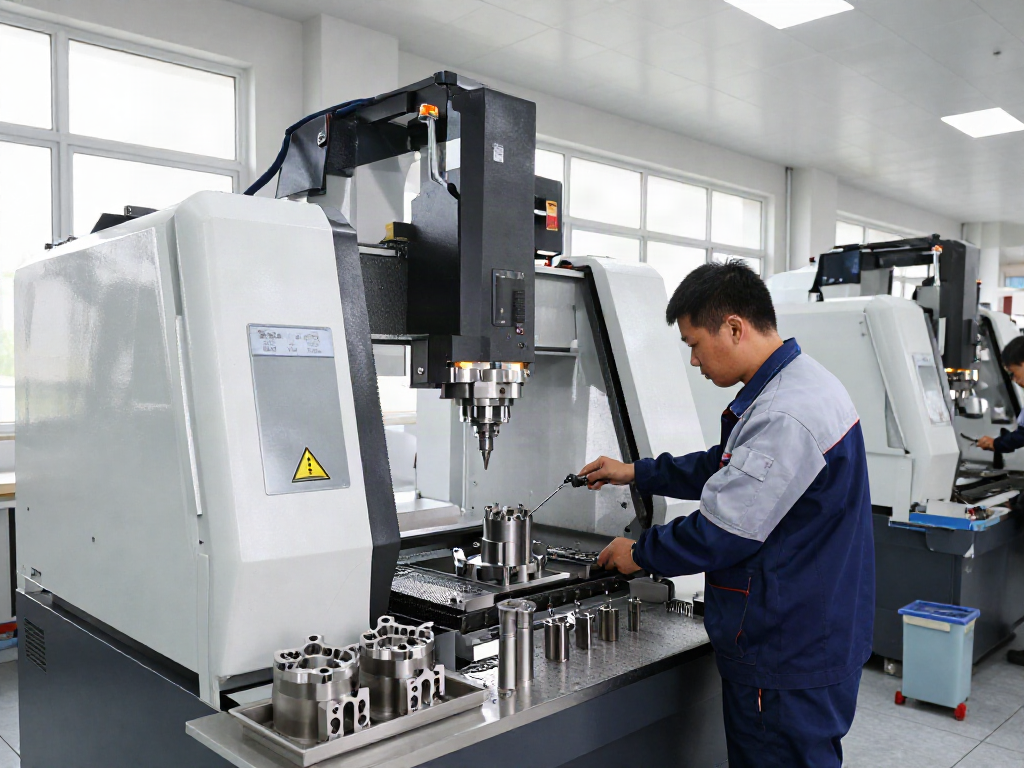
Precision CNC machining refers to the process of using computerized controls to operate machine tools for cutting, shaping, and finishing materials to exact specifications. This technique allows for the production of complex parts with tolerances as tight as a few microns. Precision machining is widely utilized in sectors such as aerospace, automotive, medical devices, and electronics, where the margin for error is minimal and the demand for high-quality components is paramount.
The Role of CNC Machining in Modern Manufacturing
As technology advances, CNC machining has become integral to modern manufacturing setups. It facilitates rapid prototyping, mass production, and even customized manufacturing with exceptional precision. With software advancements, manufacturers are equipped to design and modify products with ease, allowing for agile responses to market demands. The automation of processes minimizes human error, significantly enhancing productivity and lowering costs.
Differences Between CNC Machining and Traditional Machining
Traditional machining methods often rely on manual operations, which can introduce variability and error. In contrast, CNC machining utilizes pre-programmed computer software to control the movement of production equipment. This difference leads to a host of benefits:
- Greater Accuracy: CNC machines consistently produce parts that meet stringent specifications.
- Increased Efficiency: Automated processes reduce production times and labor costs.
- Complex Designs: CNC machining can produce intricate designs that are difficult or impossible to achieve with traditional methods.
Choosing the Right Precision CNC Machining Supplier
Choosing a precision CNC machining supplier involves careful consideration of various factors. The right supplier can offer not only high-quality products but also valuable insights into optimizing your manufacturing processes. Below, we outline the key factors to consider when selecting a supplier that aligns with your business needs.
Key Factors to Consider When Selecting a Supplier
When evaluating potential suppliers, it is essential to consider:
- Experience and Expertise: A supplier with a proven track record in your industry can bring valuable knowledge to your projects.
- Manufacturing Capabilities: Assess whether the supplier has the technological capabilities necessary for your specific requirements, such as multi-axis machining or capabilities with advanced materials.
- Quality Assurance Processes: Look for suppliers with robust quality control measures to ensure consistency and reliability in their products.
- Customer Support: Strong support can make a significant difference, especially during complex projects or troubleshooting.
Common Pitfalls to Avoid in Supplier Selection
Selecting a CNC machining supplier is not without its challenges. Here are common pitfalls to be aware of:
- Neglecting Due Diligence: Failing to research a supplier's reputation can lead to costly mistakes.
- Focusing Solely on Cost: While budget is crucial, choosing the cheapest option can compromise quality and lead to higher long-term costs.
- Ignoring Communication: A lack of clear communication can result in misunderstandings about design specifications and delivery timelines.
How to Evaluate a Supplier’s Capabilities
Assessment of a supplier’s capabilities can be conducted through various methods, including:
- Site Visits: Visiting a supplier's facility can provide insights into their operations, equipment, and quality control processes.
- References and Case Studies: Reviewing past projects and speaking with former clients can reveal a supplier's strengths and weaknesses.
- Prototyping Services: Requesting a prototype can help gauge the supplier's precision and adherence to specifications before committing to larger orders.
Innovative Techniques in CNC Machining
The CNC machining landscape is constantly evolving, with new technologies and techniques that enhance precision and efficiency. Understanding these innovations can help manufacturers stay competitive and optimize their operations.
Emerging Technologies Influencing CNC Machining
Some of the most influential technologies currently reshaping CNC machining include:
- 5-Axis Machining: Allows for complex geometries to be machined in a single setup, reducing manufacturing time.
- Hybrid Manufacturing: Combines additive and subtractive manufacturing processes, offering more versatility in part production.
- IoT Integration: Smart CNC machines equipped with IoT capabilities can provide real-time data that enhances predictive maintenance and operational efficiency.
Advanced Materials Used in Precision Machining
The innovation in materials has enabled CNC machining to expand beyond traditional metals and plastics:
- Composites: Lightweight and strong, composites are favored in aerospace applications.
- Exotic Alloys: Materials like titanium and Inconel are used for their exceptional strength-to-weight ratio and resistance to heat.
- High-Performance Plastics: These materials are often used in industries requiring chemical resistance and high-performance capabilities.
Benefits of Upgrading to Latest CNC Technologies
Investing in the latest CNC technologies comes with several advantages:
- Enhanced Precision: Newer machines often provide tighter tolerances.
- Faster Production Times: Latest models operate more efficiently, reducing lead times.
- Better Sustainability Practices: Upgraded technologies frequently include more energy-efficient models and waste-reduction capabilities.
Best Practices for Collaborating with CNC Suppliers
Successful collaboration with CNC suppliers is critical to ensuring project success. Implementing best practices in communication, workflow, and expectations can optimize the partnership.
Effective Communication Strategies
Maintaining clear and open lines of communication with your CNC machining supplier can prevent misunderstandings and foster a productive relationship. Consider the following strategies:
- Regular Updates: Schedule frequent check-ins to ensure alignment on project goals and deadlines.
- Design Documentation: Provide comprehensive design documentation to avoid ambiguity.
- Feedback Loops: Establish mechanisms for feedback to continuously improve processes.
Streamlining Workflow for Quality Assurance
Integrating quality assurance into the workflow can help maintain high standards throughout the manufacturing process:
- Inspection Protocols: Implement stringent inspection protocols at various stages of production.
- Training Programs: Offer regular training for staff to keep up with best practices and new technologies.
- Process Audits: Conduct regular audits to identify areas for improvement in workflow efficiency.
Managing Expectations and Deliverables
Clearly defining expectations with your supplier is crucial to achieving desired outcomes:
- Define Scope: Clearly outline the scope of work, including timelines and deliverables.
- Set Realistic Timelines: Collaborate on feasible timelines, considering potential challenges.
- Document Agreements: Always document agreements to ensure both parties are on the same page.
Future Trends in Precision CNC Machining
As we look toward the future, several trends are set to shape precision CNC machining, influencing everything from manufacturing processes to material use. Understanding these trends can help businesses prepare for coming changes and opportunities.
Predictions for CNC Machining in 2026 and Beyond
Looking forward, predictions suggest that CNC machining will focus on enhanced automation, with the integration of AI and machine learning driving efficiency:
- Increased Automation: More tasks will be automated, streamlining labor and reducing costs.
- Smarter Machines: Machines that can self-diagnose and optimize their operations will likely dominate.
- Personalization: Demand for customized products will necessitate flexible machining processes.
Impact of Industry 4.0 on Precision Machining
Industry 4.0 introduces new paradigms for precision machining, with connected systems and real-time data analysis driving operational improvements:
- Data-Driven Decision Making: Access to real-time data enables quicker, more informed decisions.
- Enhanced Collaboration: Collaboration tools will facilitate better partnerships between suppliers and manufacturers.
- Predictive Maintenance: IoT-enabled machines offer predictive maintenance capabilities, resulting in reduced downtime and costs.
How Sustainability is Shaping CNC Machining Practices
Sustainability is becoming a significant concern in manufacturing, and CNC machining is not exempt from these pressures:
- Waste Reduction: Adopting practices to minimize waste during production is becoming a necessity.
- Eco-Friendly Materials: The shift towards sustainable materials is altering material choices in machining.
- Energy Efficiency: Machines that consume less energy are becoming increasingly sought after.
What is the Future of Precision CNC Machining?
As the precision CNC machining industry evolves, companies will need to adapt to remain competitive. Integrating advanced technologies, focusing on sustainability, and building strong partnerships with suppliers will be essential for success.
How to Prepare for the Next Wave of Changes?
Preparing for these changes can set your business apart:
- Continuous Learning: Encourage ongoing training and development for your team.
- Invest in Technology: Stay ahead by investing in the latest technologies and systems.
- Foster Relationships: Build strong relationships with suppliers and partners to navigate changes together.