Understanding Bacteriostatic Water
What is Bacteriostatic Water?
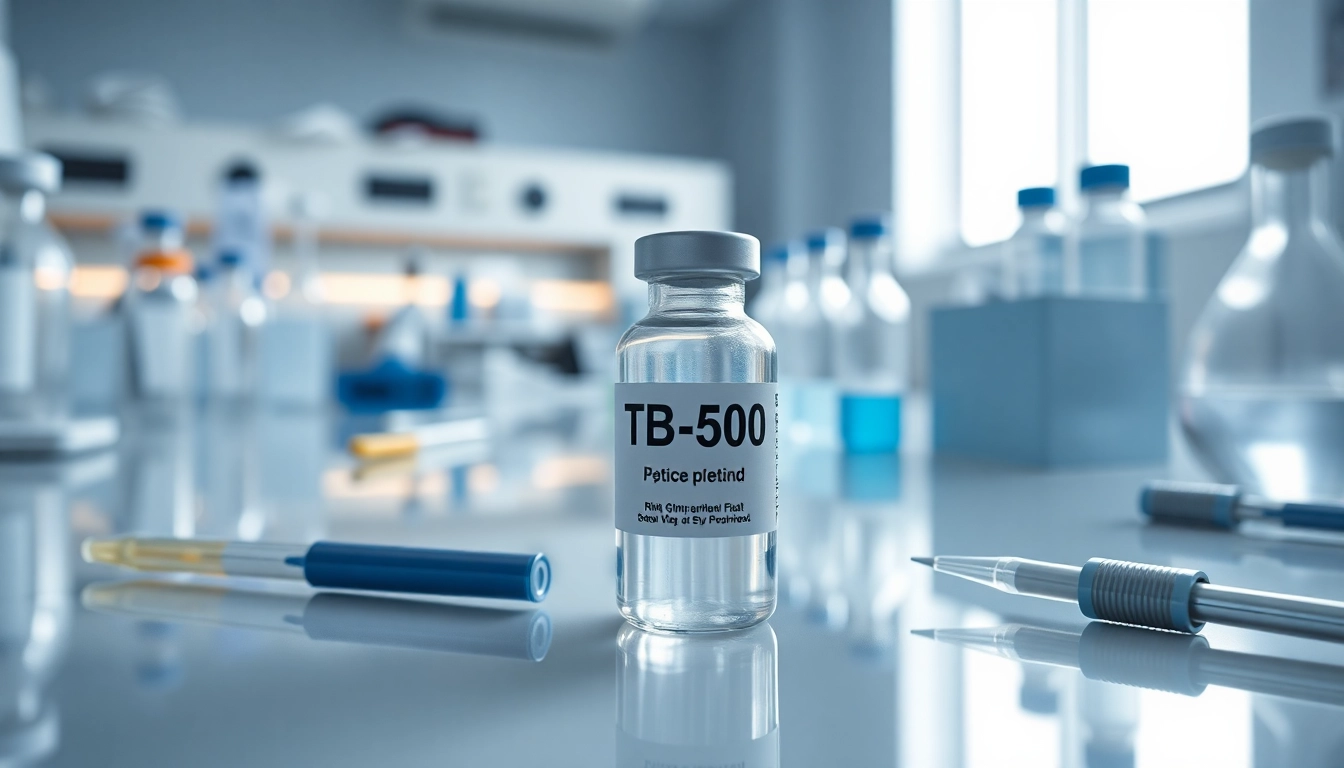
Bacteriostatic water, often referred to as bac water, is a sterile water solution that contains 0.9% benzyl alcohol as a preservative. This additive inhibits the growth of bacteria, making it an ideal solution for reconstituting various drugs or peptides intended for injection. The presence of benzyl alcohol ensures that the bacteriostatic properties remain effective, allowing for safe usage in medical and research settings.
Composition and Benefits
The primary components of bacteriostatic water include purified water and benzyl alcohol. Purified water is devoid of most impurities, making it safe for pharmaceutical applications. The addition of benzyl alcohol, apart from rendering it bacteriostatic, also serves as a solvent for hydrophobic compounds. Some benefits of using bacteriostatic water include:
- Extended Shelf Life: The preservative properties prolong the usability of the product, making it suitable for long-term research projects.
- Reduced Contamination Risks: Its bacteriostatic nature diminishes the likelihood of microbial contamination, ensuring the integrity of injectable solutions.
- Versatile Solution: It can be utilized with a variety of compounds, including peptides, hormones, and other injectables used in research.
Common Uses in Research
Bacteriostatic water finds extensive application in various scientific research fields. Among its common uses are:
- Reconstituting Peptides: Used extensively for dissolving peptide powders before injection.
- Formulating Vaccines: Acts as a solvent in the preparation of vaccines requiring dilution.
- Administering Pharmaceuticals: Serves as a diluent for medications requiring injectable preparations.
Why Choose Bacteriostatic Water?
Advantages Over Other Solutions
When compared with sterile water for injection (SWFI), bac water offers distinct advantages, particularly in research involving peptide studies. While SWFI is appropriate for single-use, bac water's bacteriostatic properties allow for multiple withdrawals from a single vial without compromising sterility or safety. This can be a crucial factor in research scenarios needing precision and reliability.
Shelf Life and Storage Requirements
Bacteriostatic water typically has a shelf life of up to 28 days once opened, provided it is stored in a cool, dry place and away from direct sunlight. Unopened containers usually have a longer shelf life, often ranging from 2 to 3 years depending on the manufacturer’s specifications. It is crucial to follow the storage guidelines to ensure the solution remains effective and free of contamination.
Best Practices for Handling
To maintain the effectiveness and sterility of bac water, it is essential to follow best practices when handling the solution:
- Use Aseptic Techniques: Always use sterile syringes and needles when withdrawing solutions to prevent contamination.
- Limit Vial Exposure: Minimize the time that the vial is open to reduce the risk of introducing bacteria.
- Check Expiry Dates: Regularly verify the expiration date to ensure the solution's effectiveness.
Applications of Bacteriostatic Water in Peptide Studies
Issues in Diluting Peptides
When working with peptides, dilution issues can arise if non-sterile or inappropriate solvents are used. Bac water is specifically designed to mitigate these issues, ensuring that the peptides remain active and free from contamination. Its compatibility with various peptides makes it an ideal choice for researchers.
Impact on Stability and Efficacy
The stability of reconstituted peptides is paramount in research. Bacteriostatic water enhances the stability of these compounds over time compared to plain distilled water, which does not provide the same preservative benefits. By maintaining proper storage and handling protocols, researchers can significantly enhance the longevity and intended efficacy of peptides.
Real-world Examples of Use
In a practical setting, researchers have commonly employed bac water in the process of reconstituting various peptides like growth hormone releasing peptides (GHRPs). These peptides are often sensitive to environmental factors and require handling with care. The use of bac water not only ensures a sterile environment but has also resulted in improved outcomes in pharmacokinetics studies.
Safety Protocols When Using Bacteriostatic Water
Aseptic Techniques to Adopt
To further ensure safety and efficacy, adopting the following aseptic techniques is critical:
- Washing Hands: Thorough hand hygiene before handling any substance intended for injection.
- Use of Gloves: Wearing sterile gloves to prevent direct contact with the solution.
- Proper Needle Disposal: Always use sharps containers for disposing of used needles and syringes to minimize risks.
Common Contamination Risks
While bac water is designed to minimalize contamination risks, improper handling can still lead to issues. Contamination can occur due to:
- Inadequate Sterilization: If materials used for drawing from the vial are not sterile.
- Environmental Factors: Dust, airborne pathogens, and improper storage conditions.
- Repeated Withdrawals: Overusing a vial can compromise sterility over time.
Disposal Methods for Bacteriostatic Water
Disposing of bac water must also follow local regulations for biohazardous materials. Unused or expired bacteriostatic water should be:
- Securely Sealed: Ensure that it is placed in a proper disposal container for hazardous materials.
- Consult Local Regulations: Follow the guidelines set forth by local health and safety authorities to ensure safe disposal.
Frequently Asked Questions
What is the difference between bac water and sterile water?
Bac water contains benzyl alcohol which inhibits bacterial growth, making it suitable for multiple withdrawals, while sterile water does not have this preservative and is typically for single-use only.
How long can bac water be stored?
Bac water can typically be stored for 28 days after opening if kept sealed and stored under appropriate conditions, away from light and heat.
Can bac water be reused?
Yes, bac water can be reused for multiple withdrawals as long as aseptic techniques are strictly adhered to, preventing contamination.
Is bac water safe for all types of peptides?
Bac water is generally safe for most peptides, but it is crucial to check compatibility with specific compounds, as certain peptides may have unique solvent requirements.
What are the signs of contamination in bac water?
Signs of contamination can include discoloration, cloudiness, or sediment in the solution. Any of these signs indicate that the bac water should not be used.