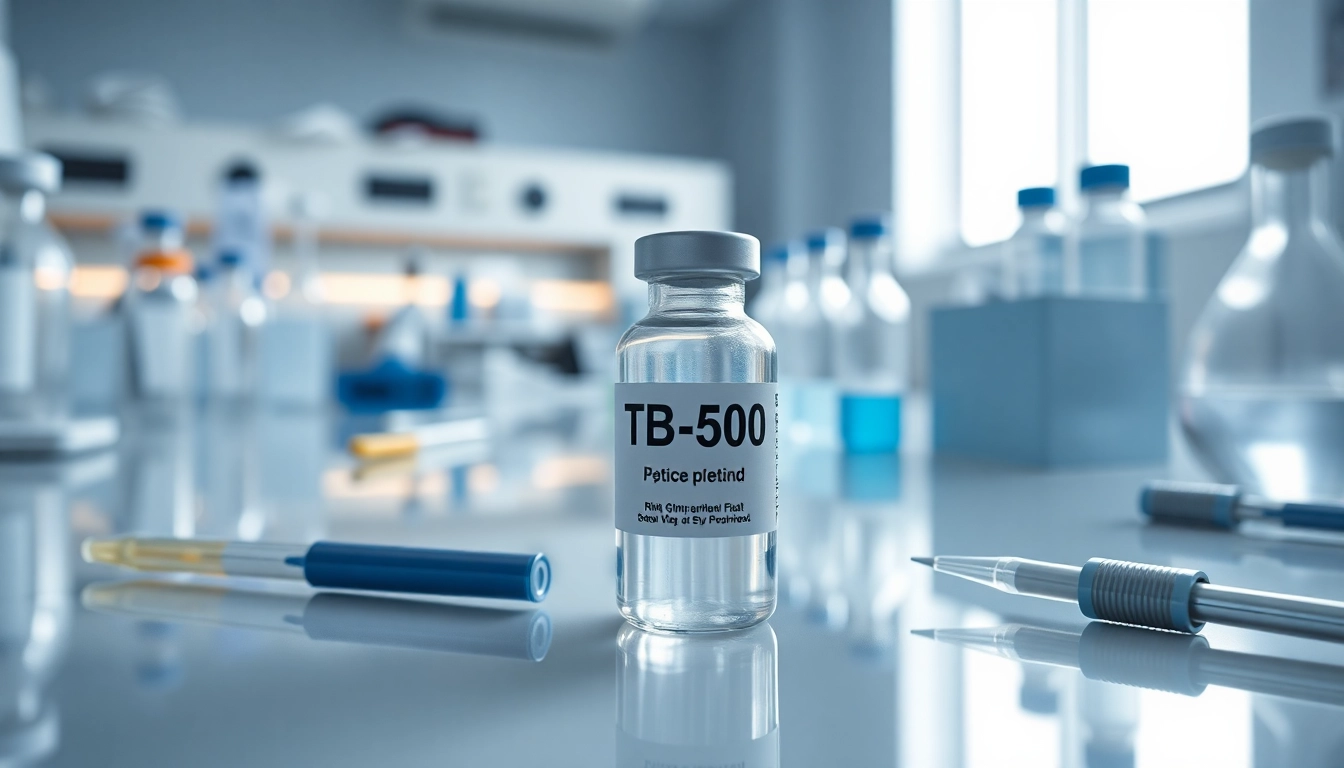
Understanding Research Peptides
What Are Research Peptides?
Research peptides are short chains of amino acids that play a vital role in various biological functions. These compounds can mimic the actions of naturally occurring proteins and hormones in the body, making them valuable in both medical and fitness applications. Unlike traditional pharmaceuticals, research peptides have a wide range of applications due to their specificity and lower side effects.
The Science Behind Peptides
The molecular structure of peptides enables them to interact with receptors within the body, facilitating specific biological responses. Peptides are formed through the linkage of amino acids by peptide bonds, with varying lengths leading to different functions. Understanding the intricate relationships between amino acid sequences and their resulting biological activity is crucial for harnessing their therapeutic potential. Furthermore, their stability and effectiveness can often be enhanced using solutions like bac water, which helps maintain their potency during storage and handling.
Types of Research Peptides
Research peptides can be categorized based on their origin and function. Among the different types are:
- Hormonal peptides: These peptides mimic or enhance the activity of hormones in the body, playing roles in growth, metabolism, and reproduction.
- Antimicrobial peptides: These natural peptides exhibit the ability to kill or inhibit the growth of microbes. Their potential in treating infections is under considerable investigation.
- Neuropeptides: These act on the brain and influence a variety of physiological processes, including pain perception and stress response.
- Cell-penetrating peptides: They can facilitate the delivery of therapeutic agents into cells, making them instrumental in drug delivery systems.
Applications of Research Peptides
Peptides in Medical Research
Medical research has increasingly adopted peptides, especially in drug development processes. Peptides can serve as therapeutic agents, like insulin for diabetes management or certain growth hormone releasing peptides that promote growth in deficient patients. Their specificity can help minimize side effects common with traditional medications.
Peptides in Fitness and Performance
In the fitness industry, certain peptides are marketed for muscle growth, fat loss, and improved recovery times. They can stimulate protein synthesis, reduce recovery time after workouts, and enhance overall performance, appealing to athletes and fitness enthusiasts alike. Importantly, the use of such peptides must be aligned with ethical standards and regulations to ensure fair competition.
Innovative Uses in Regenerative Medicine
Regenerative medicine is another cutting-edge area where research peptides are making significant contributions. They can promote tissue regeneration, assist in wound healing, or modulate the immune response. For instance, peptides that mimic growth factors or hormones can encourage the repair and healing of tissues after injury. This application could revolutionize treatments for degenerative diseases and traumatic injuries.
Best Practices for Peptide Research
How to Handle and Store Bac Water
When working with peptides, especially injectable forms, the use of bac water is essential. Bac water is a sterile solution that helps in delivering peptides properly. It is crucial to store bac water in a temperature-controlled environment to maintain its integrity and sterility. Always adhere to aseptic techniques when drawing from vials to prevent contamination, ensuring that your research results are reliable and valid.
Maintaining Quality in Peptide Research
Quality assurance is pivotal in peptide research, requiring strict protocol adherence when synthesizing and storing peptides. Utilizing high-purity reagents, adhering to recommended storage conditions, and conducting regular quality control tests are essential steps. Employing bac water for reconstitution can dramatically enhance the stability and efficacy of your peptides during experimentation.
Key Safety Guidelines in the Laboratory
Laboratory safety cannot be overstated. Always wear appropriate personal protective equipment (PPE), including gloves and goggles. Ensure that all protocols regarding the use of chemicals and biological substances are followed. Conduct routine safety audits of laboratory practices to mitigate risks, including exposure to hazardous substances. A clear understanding of emergency procedures is also critical in maintaining a safe working environment.
Challenges in Peptide Research
Common Pitfalls to Avoid
In peptide research, several pitfalls can derail progress. One common issue is the premature dilution or improper dosage of peptides, leading to ineffective results. Furthermore, neglecting to maintain cleanliness and sterility can lead to contamination, skewing data. Researchers should implement stringent protocols to avoid such issues and ensure the reliability of their findings.
Regulatory Hurdles for Peptide Research
Regulatory challenges often accompany advancements in peptide research due to stringent safety and efficacy requirements. Navigating the regulatory landscape requires a thorough understanding of local and international guidelines. Researchers must be diligent in keeping up with the regulatory environment to avoid missteps that could delay research timelines and increase costs.
Coping with Market Saturation
As the peptide market grows, saturation becomes a concern for researchers and companies involved in peptide development. Differentiation strategies are essential, focusing on innovation and unique applications of peptides. Identifying niche markets can also provide new opportunities, ensuring competitive positioning in a crowded market landscape.
Future of Peptide Research
Emerging Trends in Peptide Technology
The future of peptide research appears promising, with emerging trends such as peptide-therapeutic conjugates and vaccine development gaining traction. Advances in synthetic methodologies are enabling researchers to create more complex peptide structures, potentially enhancing their therapeutic properties. Additionally, innovations in delivery systems are making peptides more accessible for various therapeutic uses.
Anticipated Breakthroughs in Drug Development
Anticipated breakthroughs in drug development include the potential for personalized medicine through peptide therapies. As our understanding of the human genome improves, tailored peptide therapeutics can be developed for specific patient needs. This approach could maximize efficacy while minimizing side effects, representing a significant leap forward in treatment paradigms.
Long-term Impact on Healthcare Solutions
The integration of peptides in healthcare will likely lead to revolutionary solutions for chronic and complex diseases. As innovative peptide research continues, we may see new therapies that improve patient outcomes significantly. Overall, the impact of peptide sciences on future healthcare solutions promises to reshape our approaches to disease management and treatment.
Frequently Asked Questions
What are research peptides used for?
Research peptides are utilized in various fields, including medical research, fitness performance enhancement, and regenerative medicine for tissue repair and healing.
How should bac water be stored?
Bac water should be stored in a cool, dry place, away from direct light, to maintain its sterility and effectiveness for research purposes.
Are there risks associated with peptide research?
Yes, risks include contamination, incorrect dosing, and potential side effects. Following strict laboratory protocols mitigates these risks significantly.
Can peptides be used in athletics?
Some peptides are marketed for muscle growth and enhanced recovery, but ethical considerations and regulations must always be followed in sports.
What is the future of peptide therapy?
The future looks bright, with advancements in specific peptide therapies anticipated to lead to personalized medicine and improved treatment outcomes for chronic diseases.