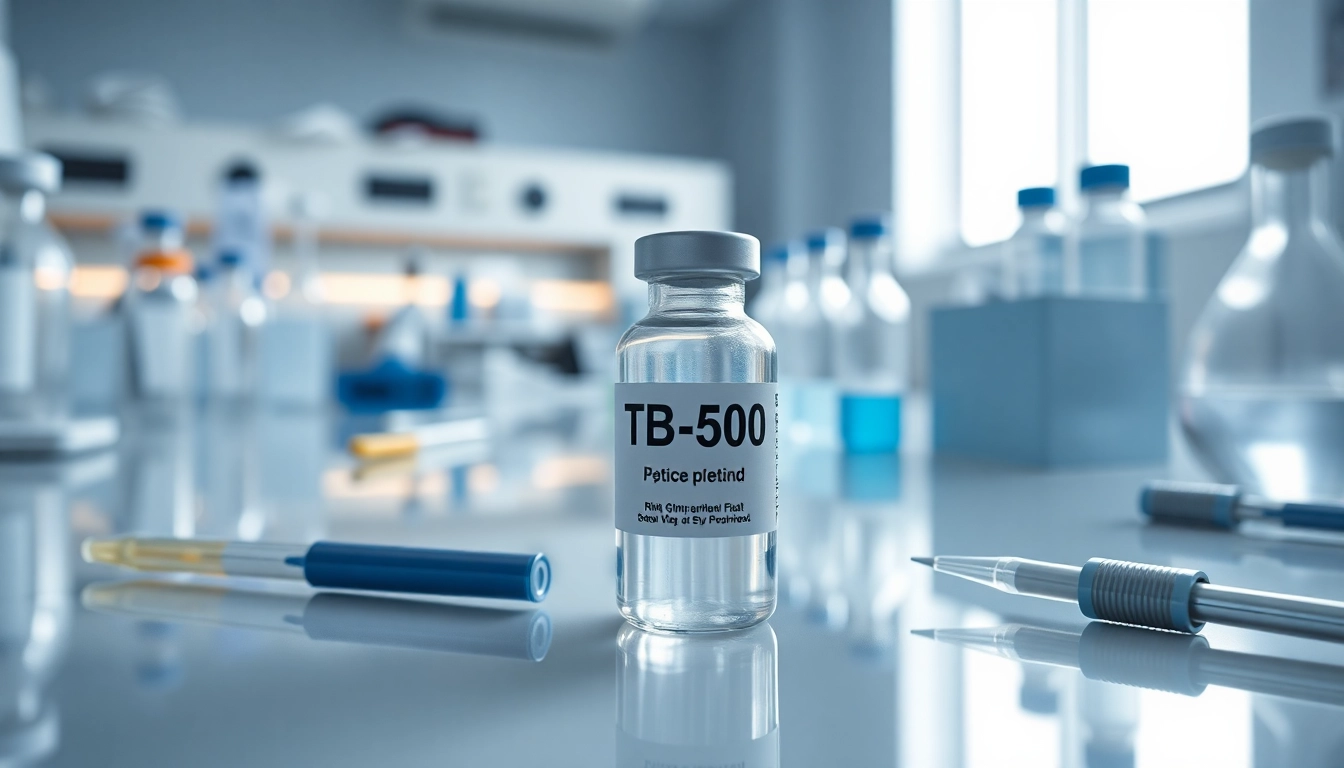
What Are Research Peptides?
Definition and Types
Research peptides are short chains of amino acids linked by peptide bonds. They play crucial roles in a variety of biological functions, including signaling pathways, hormone regulation, and immune responses. There are several types of peptides, broadly categorized into:
- Hormonal peptides: These peptides, like insulin and growth hormone-releasing hormone (GHRH), regulate numerous physiological processes.
- Antimicrobial peptides: Found in the immune system, these peptides help protect against infections by disrupting bacterial membranes.
- Neuropeptides: Involved in signaling within the nervous system, neuropeptides affect mood, pain perception, and stress responses.
Additionally, synthetic research peptides have gained popularity in laboratories, enabling scientists to study their specific functions, effects, and potential therapeutic applications.
History of Peptide Research
The study of peptides began over a century ago, with the discovery of insulin by Frederick Banting and Charles Best marking a significant milestone. As science advanced, researchers found that peptides' roles were far more complex and widespread than initially understood. The advent of modern techniques such as mass spectrometry and recombinant DNA technology has propelled peptide research into new heights, leading to innovative therapies for diseases ranging from cancer to degenerative disorders.
Common Uses in Science
Research peptides are utilized in various scientific fields, including:
- Pharmaceutical development: Peptides are often the basis for new drugs, especially in oncology and endocrinology.
- Diagnostics: Certain peptides are used in diagnostic tests to detect diseases and monitor health.
- Cosmetic science: Peptides are included in skincare formulations to promote healing and skin repair.
These applications reflect the versatile nature of peptides, contributing immensely to both scientific understanding and practical healthcare solutions.
Understanding TB-500 Peptide
Composition and Structure
TB-500, also known as Thymosin Beta-4, is a synthetic version of a naturally occurring peptide present in the body. Composed of 43 amino acids, its structure facilitates various biological activities. The presence of specific amino acid sequences is crucial for its functionality and its ability to promote wound healing and tissue repair. The linear polypeptide chain interacts with actin, a key component in cell structure, to drive cellular migration and regeneration processes.
Mechanism of Action
TB-500 acts primarily by mobilizing and utilizing cells involved in repair processes. It enhances the production of actin, which is essential for cell movement, thus accelerating wound healing and recovery. Studies suggest that TB-500 can modulate inflammation and improve blood flow, contributing to its regenerative properties. By stimulating the formation of new blood vessels (angiogenesis), TB-500 ensures that tissues receive adequate nutrients and oxygen necessary for healing.
Benefits of TB-500
The benefits of TB-500 extend beyond mere wound healing. Some of the key advantages include:
- Accelerated Recovery: Speeds up the healing process from injuries and surgeries.
- Reduced Inflammation: Possesses anti-inflammatory properties that promote a balanced immune response.
- Tissue Regeneration: Enhances cellular migration and promotes growth, which is crucial following trauma.
- Improved Flexibility: Assists in muscle and tissue repair, which may increase flexibility and reduce stiffness.
Moreover, athletes and researchers have shown significant interest in TB-500 for its potential to enhance performance and recovery time following intense physical activities.
Cost Factors for Peptides
Understanding Pricing Structures
The pricing of peptides like TB-500 varies based on several factors. Primarily, the how much is a tb can depend on the quality of the peptide, sourcing methods, and concentration. High-quality peptides synthesized in controlled environments may come at a premium price. Additionally, suppliers may have different cost structures, reflecting variations in manufacturing processes and purity levels.
Variations in Costs Across Suppliers
The peptide market comprises various suppliers, each with distinct pricing models. Factors influencing this pricing include:
- Purity Levels: Higher purity levels require more rigorous synthesis and testing, raising the costs.
- Bulk Ordering: Purchasing larger quantities often results in reduced per-unit costs.
- Research Certifications: Documentation of research compliance may add to the overall price.
When purchasing, it is vital to evaluate the suppliers to ensure that the cost aligns with the quality and intended use.
How to Assess Value for TB-500
To assess the value of TB-500, consider qualitative aspects alongside the price. Investigate the following:
- Supplier Reputation: Look for reviews and feedback from previous customers.
- Certification and Testing: Ensure the product undergoes third-party testing for purity and potency.
- Transparency in Pricing: Suppliers should provide detailed information about sourcing and manufacturing practices.
Quality often trumps quantity when investing in research peptides like TB-500. Establishing trust and verifying quality helps mitigate risks associated with inferior products.
Purchasing Guidelines for Research Peptides
What to Look for in a Supplier
Choosing the right supplier for TB-500 and other peptides is critical for ensuring quality and safety. Key indicators include:
- Accreditations: Suppliers should have certifications from recognized organizations, indicating compliance with health regulations.
- Transparency: Reliable suppliers provide clear information about their products, including batch numbers and lab results.
- Customer Support: Good suppliers offer support to address queries and concerns related to their products.
Safety and Quality Checks
Conducting safety and quality checks before purchasing is essential. Buyers should look for:
- Independent Testing: Ensure that the peptides have been tested by reputable third-party labs for quality assurance.
- Documentation: Request Certificates of Analysis (CoA) to validate purity levels and composition.
- Feedback and Reviews: Assess opinions from other researchers or buyers regarding the supplier's reliability and product quality.
Legal Considerations
Before purchasing TB-500, it is crucial to understand the legal landscape surrounding research peptides. Guidelines may vary by region:
- Regulatory Oversight: Some countries have stringent regulations regarding peptide distribution and use.
- Intended Use: Ensure you are compliant with local laws regarding the use of research peptides for scientific purposes.
Consulting legal resources or authorities can provide clarity on compliance issues, helping buyers avoid potential pitfalls.
Future Trends in Peptide Research
Innovations in Peptide Applications
Peptide research is witnessing rapid innovations, particularly in therapeutic applications. Research is delving into engineered peptides having enhanced effectiveness and specific targeting abilities. Areas like personalized medicine, where treatments are tailored to individual patients, are gaining traction.
Potential Market Growth
As the interest in peptide-based therapies grows, the market for research peptides is projected to expand significantly. Factors driving this growth include an increase in chronic diseases, advancements in biotechnology, and a greater understanding of peptides’ roles in health. This growth opens avenues for more research funding and private investments in peptide development.
Research Funding and Opportunities
Funding for peptide-related research continues to rise, with both governmental and private sectors investing in this promising area. Opportunities for collaborative research projects that leverage peptide technologies are emerging. Researchers might explore grants and partnerships focused on innovative peptide applications in medicine and biotechnology, propelling further advancements in this field.
FAQs about TB-500 Peptide
What is TB-500 used for?
TB-500 is primarily used for promoting tissue repair and enhancing recovery from injuries and inflammation.
Is TB-500 safe?
When sourced from credible suppliers and used responsibly, TB-500 is generally considered safe for research purposes.
How is TB-500 administered?
TB-500 can be administered via subcutaneous or intramuscular injections, depending on the research protocol.
What are the side effects of TB-500?
Reported side effects are rare but can include mild irritation at the injection site or allergic reactions.
Can TB-500 be used by athletes?
While athletes may consider TB-500 for performance and recovery, it is crucial to check regulations regarding its use in sports.