Understanding the Excavator
What is an Excavator?
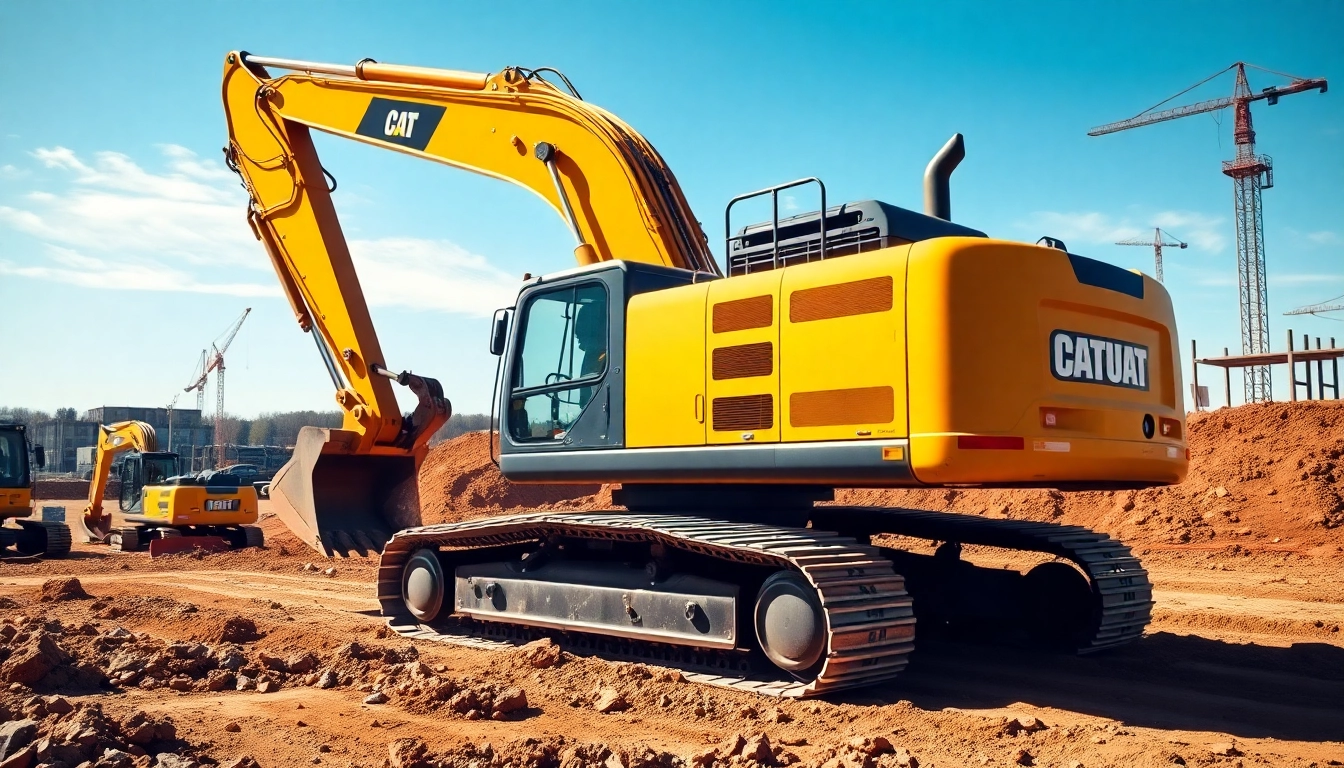
An excavator is a powerful piece of heavy construction equipment used extensively in a variety of projects, primarily for digging. The design of the excavator usually includes a boom, dipper (or stick), bucket, and a rotating platform known as the "house." This combination allows for a wide range of motions and versatility on job sites, making the excavator essential for tasks such as trenching, material handling, and demolition. Due to its unique capabilities, those looking to maximize efficiency in construction must consider integrating an excavator into their operations.
Key Components of an Excavator
The excavator comprises several key components that work in unison, allowing it to perform complex tasks. Understanding these components provides insights into the machine's capabilities and functionalities:
- Cab: This is the operator's workstation, providing controls for the excavator's movements and functions.
- Boom: The extended arm that provides reach and movement to the dipper and bucket.
- Dipper (or Stick): The part that connects the bucket to the boom, allowing for additional extension.
- Bucket: The digging implement, which comes in various styles and sizes depending on the job.
- Undercarriage: This consists of the tracks or wheels that provide mobility, essential for maneuvering across job sites.
Types of Excavators and Their Uses
Excavators come in various types, each catering to specific tasks and environments. Below are some common types of excavators:
- Standard Excavators: These are versatile machines used for general construction tasks, including digging and demolition.
- Mini Excavators: Compact and agile, mini excavators are ideal for limited access jobs like residential work and landscaping.
- Long Reach Excavators: With extended booms, these excavators are suitable for tasks requiring a greater reach, like dredging.
- Hydraulic Excavators: These utilize hydraulic force to function, providing greater digging power with less physical effort.
Choosing the Right Excavator
Factors to Consider When Selecting an Excavator
When deciding on the right excavator, several factors come into play:
- Job Requirements: Assess the primary tasks you need the excavator to perform.
- Site Conditions: The size of the job site and the type of terrain can influence your choice; more versatile machines may be preferable for uneven or small spaces.
- Budget: Determine a budget that encompasses not only the purchase price but also operating and maintenance costs.
Excavator Size and Its Importance
The size of the excavator is crucial and must align with the tasks at hand. A larger excavator may offer greater digging capacity, yet it can be cumbersome on smaller sites. Conversely, a mini excavator is agile but may lack the power required for heavy-duty tasks. It's essential to strike a balance to ensure efficiency and avoid unnecessary complications at work sites.
Budgeting for Your Excavator Purchase
Laying out a budget for acquiring an excavator requires assessing many aspects.
- Initial Cost: Factor in the market price for new or used excavators and select one that fits your financial plan.
- Operating Costs: Include fuel, insurance, maintenance, and repairs that contribute to overall project costs.
- Resale Value: Consider the potential resale value once the excavator is no longer needed, impacting your overall investment.
Excavator Operation Best Practices
Preparing for Excavator Operation
Preparation is paramount for safe and efficient excavator operation. Here are some best practices:
- Training: Operators should receive proper training on the specific excavator model to ensure they understand its controls and functions.
- Site Assessment: Before operation, assess the job site for hazards and determine the safest routes and areas for operation.
- Pre-Operation Checks: Conduct thorough pre-operation checks to ensure all components function properly and safely.
Safety Guidelines for Operating an Excavator
Maintaining safety while operating an excavator is essential. Adhere to these guidelines:
- Wear Safety Gear: Ensure that all operators and nearby personnel wear appropriate safety gear, including helmets, gloves, and steel-toed boots.
- Clear Communication: Establish hand signals or use two-way radios to maintain clear communication among team members.
- Stability Awareness: Pay attention to the excavator's center of gravity, and avoid working on inclines that could lead to tipping over.
Common Mistakes to Avoid
Even experienced operators can make mistakes that may lead to accidents or inefficiencies:
- Ignoring Maintenance: Skipping maintenance checks can lead to equipment failure and expensive repairs.
- Poor Positioning: Not positioning the excavator properly for the task can hinder efficiency and produce unsafe working conditions.
- Proximity to Power Lines: Failing to maintain a safe distance from overhead power lines can lead to serious accidents.
Maintaining Your Excavator
Routine Maintenance Tasks for Longevity
To maximize the lifespan and efficiency of an excavator, regular maintenance is essential. Key tasks include:
- Visual Inspections: Conduct daily visual inspections for leaks, damage, or unusual wear and tear.
- Fluids Check: Ensure hydraulic fluid and engine oil levels are adequate and refill as necessary.
- Cleansing: Regularly clean components, including the bucket and undercarriage, to prevent build-up that could hinder operations.
Troubleshooting Common Excavator Issues
Operators may run into several common issues while using excavators, such as:
- Hydraulic Problems: If the hydraulic system isn't performing well, check for leaks or faulty hoses.
- Unresponsive Controls: If controls are unresponsive, conduct electrical checks and verify connections.
- Engine Performance: Poor engine performance might indicate fuel system issues; ensure proper fuel is utilized, and filters are clean.
When to Seek Professional Help
Some issues may require professional intervention. This includes complex hydraulic problems, significant engine repairs, or if you feel uncomfortable with a specific situation, it is best to contact a qualified technician to avoid further damage.
FAQs About Excavators
What Are the Primary Uses of an Excavator?
Excavators are primarily used for digging trenches, foundations, and holes, but they can also handle material transportation, landscaping, and demolition tasks.
How Much Does an Excavator Cost?
An excavator's cost can range significantly, with new models pricing between $100,000 to $500,000, while mini excavators typically cost between $80,000 to $150,000.
What Safety Gear Is Needed When Operating an Excavator?
Essential safety gear includes hard hats, safety goggles, gloves, steel-toe boots, and high-visibility clothing to protect operators and surrounding personnel.
Can Excavators Be Used in Landscaping?
Yes, excavators are regularly used in landscaping projects for tasks such as digging, grading, and transporting materials to enhance outdoor spaces.
What Should I Look for in a Mini Excavator?
When considering a mini excavator, assess its digging depth, reach, weight, and attachments available for various tasks, ensuring it meets your specific needs.
Contact Information
Call Us: 4062607988Address: 3906 MT-40, Columbia Falls, MT 59912