The Rise of Luxury111: Understanding Modern Luxury Trends
As we venture into 2026, the concept of luxury has evolved dramatically, driven by technological advancements and changing consumer expectations. Luxury111 stands at the forefront of this evolution, offering a unique platform that reflects contemporary luxury trends. In today's market, luxury is not merely defined by opulence but is increasingly associated with personalization, sustainability, and immersive experiences. This article will delve into the distinctive aspects of luxury as shaped by Luxury111, revealing the dynamics that define modern luxury and how brands can adapt to meet evolving consumer demands.
What Defines Luxury in Today's Market?
Luxury in the modern landscape transcends traditional boundaries, incorporating elements such as exclusivity, craftsmanship, and a rich history. However, today's consumers also seek brands that resonate with their values and lifestyle preferences. Luxury111 encapsulates these ideals by offering diverse luxury products and services that cater to personalized experiences. As we analyze current trends, it becomes evident that transparency, customer engagement, and sustainability are at the core of the contemporary luxury ethos. Therefore, emerging brands must harness these concepts to build trust and loyalty in the competitive market.
Key Consumer Behaviors Influencing Luxury111
Understanding consumer behavior is vital for brands looking to thrive in the luxury sector. Today's luxury consumers are savvy, informed, and value-driven. They are focused on experience rather than mere acquisition, and they prioritize brands that align with their personal identities and ethical beliefs. Influential factors include the growing importance of social media as a platform for brand discovery, peer recommendations, and the increasing inclination towards sustainability. Brands in the Luxury111 space must adapt their marketing strategies to resonate with these modern consumers, making authenticity and purpose central to their messaging.
Emerging Trends in Luxury Lifestyle and Products
- Sustainability: Eco-conscious consumers are reshaping the luxury market, pushing brands to adopt sustainable practices.
- Digital Transformation: The rise of e-commerce and digital solutions enhances customer experiences, making luxury more accessible while maintaining exclusivity.
- Unique Experiences: Personalized and immersive experiences have become paramount, as customers seek meaningful engagements with brands.
- Wellness and Self-Care: There is a significant shift towards products that promote health and well-being, reflecting a holistic approach to luxury.
Immersive Experiences: The Luxury111 Advantage
The rise of experiential luxury is transforming how consumers engage with brands. Luxury111 is uniquely positioned to leverage this trend, providing not just products but memorable experiences that resonate with their audience. Engaging with consumers through immersive experiences fosters deeper connections and loyalty. When exploring options, luxury111 provides comprehensive insights into how brands can utilize experiential marketing to captivate consumers and enhance brand perception.
The Importance of Experiential Luxury
Experiential luxury refers to the emphasis on experiences over possessions, where consumers invest in memories rather than material goods. This shift highlights the necessity for brands to innovate their offerings, focusing on providing unique, tailored experiences that leave lasting impressions. Notable examples include bespoke travel packages, exclusive events, and personalized services that reflect the individual's tastes and desires.
How Luxury111 Enhances Customer Engagement
Luxury111 employs innovative strategies to improve customer engagement, creating channels that foster interaction and feedback. This approach allows brands to refine their offerings based on consumer insights, ensuring that they remain aligned with ever-evolving expectations. Additionally, leveraging technology, such as AI and data analytics, can enhance personalized interactions, making them more relevant and impactful.
Measuring Success: Engagement Metrics for Luxury Brands
To gauge the effectiveness of engagement strategies, luxury brands must track specific metrics, including customer retention rates, social media engagement, event attendance, and satisfaction surveys. By analyzing these indicators, brands can understand their impact and make informed decisions regarding future marketing initiatives. A successful luxury brand should not only focus on sales but also on building emotional connections with their audience.
Luxury111 and Sustainability: A New Paradigm
Sustainability is no longer an option in the luxury market; it has become a necessity. As consumers increasingly demand eco-friendly options, Luxury111 showcases brands committed to sustainable practices. Companies that prioritize sustainable sourcing, production, and corporate responsibility will find favor with conscientious consumers who are willing to support brands that align with their values.
Exploring Eco-Friendly Luxury Options
Luxury brands are taking innovative approaches to sustainability, from utilizing renewable materials to implementing ethical labor practices. Examples include high-end fashion labels opting for biodegradable fabrics and luxury car manufacturers introducing electric vehicle models. By prioritizing sustainability, brands can appeal to a growing segment of consumers who value environmental responsibility.
Consumer Expectations for Sustainable Luxury
Today's consumers expect transparency when it comes to sustainability. They are increasingly interested in the origins of products and the ethical implications of their purchases. Luxury111 can assist brands in communicating their sustainability efforts effectively, showing consumers how their choices align with a more ethical lifestyle. This transparency builds trust and loyalty, essential components of long-term relationships in the luxury market.
Case Studies: Brands Leading the Way in Sustainability
- Gucci: Committed to environmental stewardship, Gucci has implemented programs to reduce its carbon footprint while promoting sustainable materials.
- Tesla: Revolutionizing the automotive industry, Tesla combines luxury with sustainability by offering high-performance electric vehicles.
- Patagonia: Although not a traditional luxury brand, Patagonia sets an example in the luxury market by prioritizing sustainable practices and advocacy.
Personalization in Luxury111: Tailoring Experiences
In a world where personalization has become the norm, luxury brands must tailor their offerings to meet specific customer needs. Luxury111 excels in providing customized experiences, utilizing data to create unique interactions that resonate with individual consumers. Personalization not only enhances the buying experience but also strengthens customer loyalty.
The Role of Data in Customizing Luxury Services
Data plays a crucial role in personalizing luxury services. By analyzing customer behavior and preferences, brands can create targeted marketing campaigns, personalized product recommendations, and exclusive offers that appeal to specific demographics. This data-driven approach allows luxury brands to remain competitive while ensuring a distinctive experience for each consumer.
Building Unique Customer Profiles for Enhanced Engagement
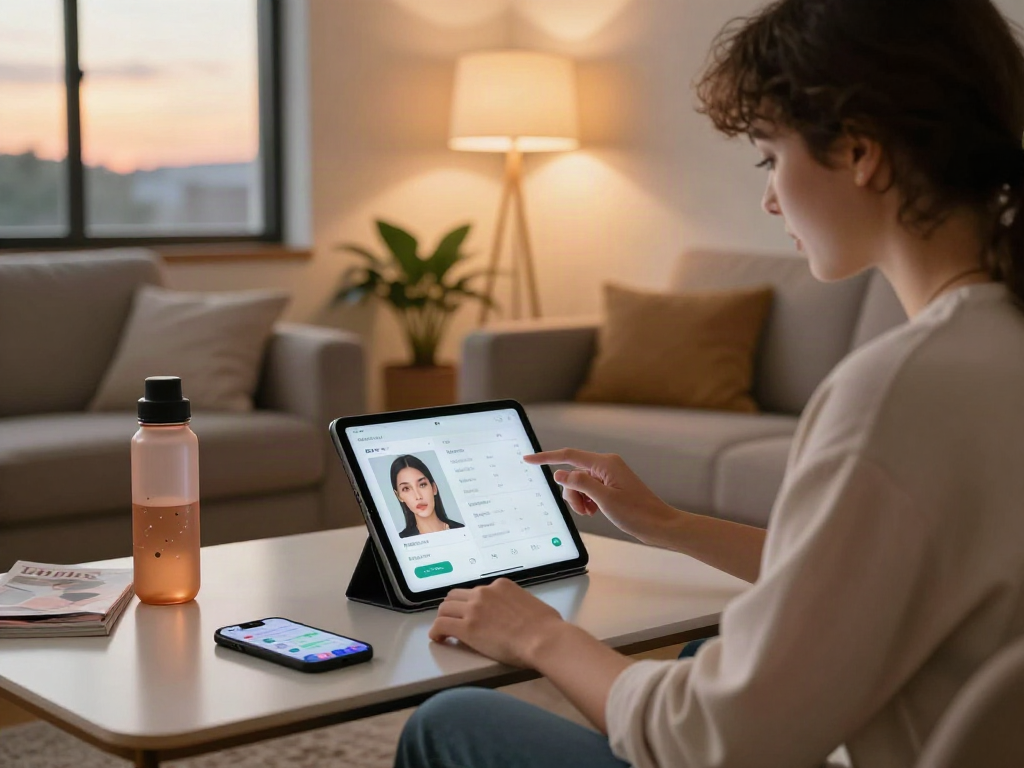
Creating comprehensive customer profiles allows brands to understand their clientele better, leading to more effective personalized strategies. By leveraging information such as purchase history, preferences, and feedback, brands can tailor their communications, offerings, and marketing efforts, ensuring they meet customer expectations.
Examples of Personalization Success in Luxury Brands
- Burberry: Utilizes customer data to provide personalized online shopping experiences, including customized product recommendations.
- Louis Vuitton: Offers bespoke services, enabling clients to personalize their luxury goods, creating a unique sense of ownership.
- Ritz-Carlton: Employs a meticulous approach to guest preferences, ensuring that each stay is tailored to individual customer needs.
The Future Landscape of Luxury111: 2026 and Beyond
Looking ahead to 2026, the luxury market is poised for continued change. As consumer preferences evolve, brands must remain agile, adapting to new trends and technologies. Luxury111 is set to play a critical role in shaping this landscape by providing valuable insights and strategic direction to luxury brands.
Predicted Trends in High-End Markets
- Augmented Reality (AR): The use of AR in retail will provide immersive shopping experiences that blend the digital and physical worlds.
- Sustainable Luxury: Continued emphasis on sustainability will lead to innovation in eco-friendly luxury products and services.
- Enhanced Digital Engagement: Brands will increasingly engage consumers through digital platforms for seamless, personalized experiences.
Tech Innovations Shaping the Future of Luxury Shopping
Emerging technologies such as AI, VR, and blockchain are set to redefine luxury shopping. AI will enhance personalization, VR will create immersive experiences, and blockchain will provide transparency regarding product authenticity and ethical sourcing. Luxury brands must be proactive in embracing these innovations to stay relevant in the competitive landscape.
Preparing for Future Consumer Expectations in Luxury
To prepare for the future, luxury brands must anticipate changes in consumer expectations. They should invest in sustainability, prioritize personalized experiences, and harness technology to streamline operations. Emphasizing emotional engagement will be crucial for brands looking to foster loyalty among an increasingly discerning consumer base.
What are the key takeaways for luxury brands?
- Embrace sustainability as a core principle.
- Focus on personalization to meet unique consumer needs.
- Utilize technology to enhance customer experiences.
- Engage authentically with consumers to build loyalty.
How can luxury brands leverage emerging platforms?
Luxury brands can harness emerging platforms by creating engaging digital content, utilizing social media for direct consumer interaction, and exploring influencer partnerships. By embracing innovative marketing strategies, brands can reach a wider audience while maintaining their luxury status.
What does the future of luxury look like?
The future of luxury centers on sustainable, personalized, and technology-driven experiences. Brands that adapt to these changes will not only thrive but also shape the future of the luxury market. By remaining attuned to consumer preferences and leveraging innovations, luxury brands can redefine their offerings and expectations in 2026 and beyond.