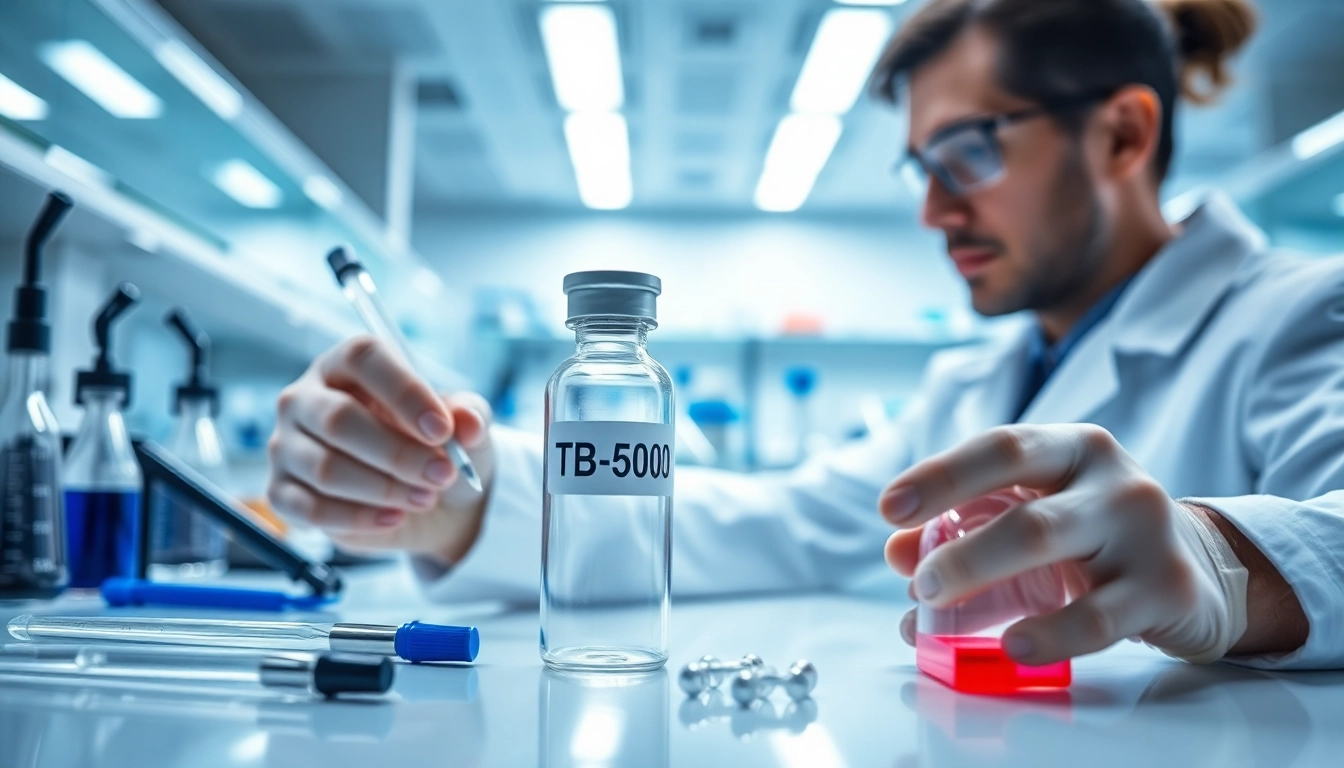
The Role of Peptides in Modern Research
What are Research Peptides?
Peptides are short chains of amino acids that play a crucial role in biological processes. They serve as building blocks of proteins and can influence various physiological functions. Research peptides have emerged as essential tools in modern biomedical research, as they can mimic or inhibit the action of endogenous peptides. This makes them valuable for studying diseases, drug development, and therapeutic applications. In many cases, these peptides are synthesized for clinical or research use, particularly in areas like muscle recovery, immune response, and cellular regeneration.
The Science Behind Peptide Functions
The functions of peptides are dictated by their unique structures and the sequences of their amino acids. When synthesized correctly, these peptides can interact with specific receptors in the body, thereby eliciting responses that can aid in wound healing, muscle growth, and overall health improvement. The science of peptides involves advanced techniques like mass spectrometry and NMR spectroscopy, which researchers use to analyze and design peptides tailored for specific functions. This scientific groundwork underpins the therapeutic potential of compounds like TB-500.
Importance in Therapeutic Applications
Peptides are becoming increasingly important in therapeutic applications due to their versatility and specificity. They can be used to target specific cells or pathways within the body, minimizing side effects usually associated with traditional pharmaceuticals. From treating hormonal deficiencies to developing cancer therapies, peptides are at the forefront of modern medicine. Moreover, their relatively low immunogenicity compared to larger proteins makes them compelling candidates for drug development, leading to targeted therapies that promise effective treatment with less risk.
Exploring TB-500: A Key Player
Composition and Structure of TB-500
TB-500, also known as Thymosin Beta-4, is a peptide composed of 43 amino acids. Its structure enables it to bind to actin, a protein that plays a vital role in cell structure and movement. This binding helps facilitate cellular processes involved in healing and repair. The amino acid sequence of TB-500 is crucial for its function, allowing it to exert effects like increasing cell motility, promoting angiogenesis, and reducing inflammation, making it a potent contender in the realm of research peptides.
Common Uses and Benefits
TB-500 is commonly investigated for its utility in promoting wound healing, enhancing recovery from injuries, and improving overall athletic performance. Its benefits extend to helping reduce inflammation and pain, improving muscle regeneration, and accelerating healing processes, especially in soft tissue injuries. Athletes and medical professionals alike have turned to TB-500 for its potential to promote faster recovery rates, making it an exciting subject of ongoing research.
Research Findings and Outcomes
Numerous studies have highlighted the effectiveness of TB-500 in promoting tissue repair and regeneration. Research indicates that TB-500 can enhance cell migration and stimulate the formation of new blood vessels, critical components in the healing process. Additionally, findings suggest that it may have neuroprotective properties, making it relevant for applications in treating neurological conditions. Ongoing clinical trials and research are expected to further elucidate the peptide's mechanisms and potential therapeutic applications in various fields of medicine.
Determining the Exact Cost of TB-500
Factors Influencing Pricing
The cost of TB-500 can be influenced by several factors, including the source of the peptide, the purity level, and the quantity purchased. Research-grade peptides usually come at a premium due to their rigorous quality control measures, which ensure consistency and reliability in scientific studies. Additionally, the cost can be affected by synthesis methods, as more complex peptides tend to have a higher price tag due to the intricate processes involved in their production.
Comparison with Other Peptides
When comparing TB-500 to other research peptides, its pricing can vary widely based on functionalities and application scopes. Certain peptides designed for similar applications may cost less, but they might not deliver the same efficacy. Therefore, while evaluating how much is a tb, one should consider factors like intended use, research purposes, and available studies that confirm the effectiveness of the peptide. This assessment will help contextualize its cost against the backdrop of its benefits.
Where to Purchase TB-500
Purchasing TB-500 should be conducted through reputable sources that provide high-quality research peptides. Online platforms that specialize in peptide research often have dedicated sections for TB-500, presenting pricing, purity information, and usage guidelines. It's important for researchers and users to verify the credibility of these suppliers to ensure the highest standard of products. Understanding how much is a tb is a vital part of the purchasing process, as it informs budgeting for research and experimentation.
Applications and Effectiveness of TB-500
Clinical Trials and Evidence
Clinical trials focusing on TB-500 have showcased its potential for promoting wound healing and tissue repair. With consistently positive results indicating its efficacy, many researchers view TB-500 as a promising peptide in regenerative medicine. Laboratory findings support anecdotal reports of improved recovery times for injuries, making it an attractive option for further study. The ongoing collection of data from these trials will be crucial for solidifying TB-500's place as a therapeutic agent.
Medical and Athletic Uses
In medicine, TB-500 is primarily considered for its healing properties, especially in soft tissue injuries. Athletes often explore its use to reduce recovery times from muscle strains and tears. By promoting cell migration and vascularization, TB-500 may enhance muscle performance and recovery rates significantly. These properties are attractive to medical professionals and athletes looking for effective ways to optimize recovery protocols and enhance performance safely.
Potential Risks and Considerations
While TB-500 shows considerable potential, it is essential to recognize the potential risks and drawbacks of using peptides. As with any compound, improper use or dosages can lead to adverse effects. Long-term safety data are lacking, and interested parties should approach this peptide with caution. Consulting healthcare professionals before beginning any peptide regimen is advisable to ensure appropriate monitoring and address any side effects that may arise.
Frequently Asked Questions about TB-500
What is TB-500 used for?
TB-500 is primarily researched for its ability to promote wound healing and tissue regeneration, making it popular among athletes for recovery from injuries.
How is TB-500 administered?
TB-500 is typically administered via injection, either subcutaneously or intramuscularly, depending on the prescribed application and therapeutic goals.
Are there side effects of using TB-500?
While TB-500 is generally well-tolerated, potential side effects may include local irritation at the injection site, headaches, or fatigue. Long-term effects remain largely unknown.
Is TB-500 legal to purchase?
The legality of purchasing TB-500 varies by region. It is typically available for research purposes where allowed but may not be approved for human use in all areas.
How much is a tb compared to similar peptides?
The cost of TB-500 can be higher than some other research peptides due to its unique properties and applications. Available pricing should be compared for genuine evaluation.