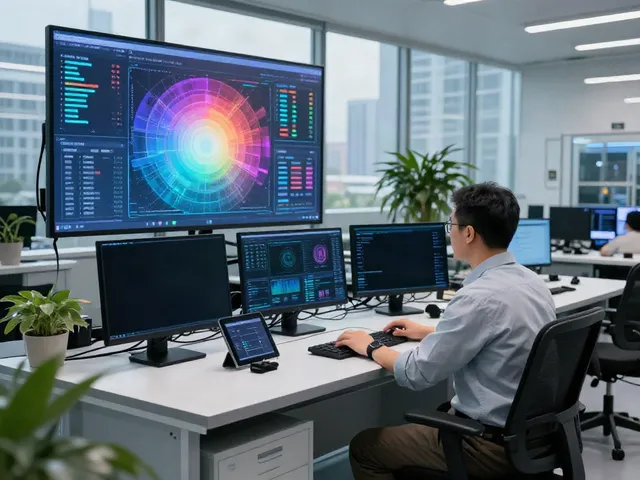
Understanding Queue Detection Software
What is Queue Detection Software?
Queue detection software refers to advanced technological solutions designed to analyze, track, and manage the queues in various environments such as retail, transportation, healthcare, and events. By employing a combination of sensors and algorithms, this software provides real-time data on queue lengths and wait times, significantly improving operational efficiency. Notably, modern implementations of queue detection software leverage artificial intelligence to enhance detection accuracy, enabling seamless integration within existing systems. With the growing emphasis on customer experience, adopting queue detection software has become crucial for businesses aiming to optimize customer flow and reduce wait times.
How Queue Detection Software Works
Queue detection software typically utilizes sensors such as cameras, infrared detectors, or radar to monitor queues in real-time. The data collected is transmitted to a processing unit where algorithms analyze the information, identifying patterns and trends. Key functionalities often include:
- Data Capture: Sensors capture data on customer movement, recognizing when individuals join or leave a queue.
- Analysis: Advanced analytics process the data to forecast congestion and queue performance, drawing insights from historical data.
- Alerts and Notifications: The system can generate alerts for staff when queues exceed predefined thresholds, facilitating proactive management.
- Reporting: Detailed reports provide insights into queue duration, peak times, and customer behavior, helping managers make informed decisions.
Benefits of Implementing Queue Detection Software
Implementing queue detection software offers numerous benefits that can substantially enhance operational productivity and customer satisfaction:
- Improved Customer Experience: By minimizing wait times and predicting congestion, customers enjoy a more pleasant experience.
- Increased Efficiency: Resource allocation can be managed better, ensuring staff is present during peak hours to manage customers effectively.
- Real-Time Insights: Managers gain valuable insights into customer behavior and queue performance, allowing for prompt adjustments.
- Cost Savings: By optimizing operations and reducing wait times, businesses often see a decrease in lost sales opportunities and increased throughput.
Key Features of Queue Detection Software
Real-Time Monitoring and Alerts
One of the standout features of queue detection software is its ability to provide real-time monitoring and alerts. As queues develop, the software continuously analyzes data and sends notifications to management when wait times exceed acceptable limits. This enables immediate intervention, such as reallocating staff or opening additional service points, reducing customer frustration.
User-Friendly Interface
A key consideration in the effectiveness of queue detection software is its user interface. A simple, intuitive interface allows users to quickly access essential metrics, enabling rapid decision-making. Dashboards typically feature visualizations of queue length, estimated wait times, and historical data analysis, making it easy to comprehend complex data at a glance.
Data Analytics and Reporting
Robust data analytics and reporting capabilities allow businesses to assess the efficiency of their queue management strategies over time. Comprehensive reports can highlight trends in peak traffic times, average wait lengths, and customer satisfaction levels, equipping organizations with the insights necessary to make data-driven adjustments to their operations.
Implementing Queue Detection Software in Various Industries
Retail Sector Applications
In the retail sector, queue detection software is instrumental in enhancing customer service and improving sales. By analyzing foot traffic and monitoring queues at checkout counters, retailers can strategically position staff during peak shopping hours, effectively diminishing customer wait times. Tools like electronic queue management can enable better customer flow and adaptive staffing, ultimately enhancing the shopping experience and boosting sales.
Hospital and Healthcare Systems
Hospitals are implementing queue detection software to streamline patient flow and optimize resource allocation. By tracking patient wait times in various departments, staff can prioritize care delivery and improve overall patient satisfaction. For instance, the software can provide instant insights into busy periods, enabling healthcare facilities to adjust staffing and manage patient arrival schedules better.
Transportation and Logistics
Queue detection software in transportation hubs, such as airports and bus terminals, plays a significant role in managing passenger flow. Real-time data can help reveal congestion in security lines or boarding areas, permitting operators to make data-informed decisions that enhance the travel experience. Efficiently managing queues leads to increased throughput and reduced delays, vital for transportation infrastructures.
Challenges in Queue Detection and Management
Common Obstacles to Implementation
While deploying queue detection software presents numerous advantages, organizations may face challenges, including:
- Technology Integration: Integrating queue detection systems with existing technologies can be complicated and time-consuming.
- High Initial Costs: The investment required for hardware and software could deter smaller businesses from adopting advanced systems.
- Data Privacy Concerns: Using cameras and other monitoring technologies may raise privacy concerns among customers, necessitating transparency on data usage.
Strategies to Overcome Challenges
To tackle the challenges of implementing queue detection software, organizations can:
- Engage stakeholders early in the process to ensure that technology integrates smoothly.
- Evaluate different financing options to alleviate the burden of initial costs and consider phased implementations.
- Educate customers on how data is collected, stored, and used to alleviate privacy concerns and promote transparency.
Future of Queue Detection Software
The future of queue detection software is promising, especially with advancements in artificial intelligence and machine learning. These technologies will enable more sophisticated analysis, thereby enhancing predictions regarding customer behavior and queue dynamics. Furthermore, as organizations increasingly shift focus toward creating optimal customer experiences, the role of queue detection software will only become more integral to future operational strategies.
FAQs about Queue Detection Software
What types of technologies are used?
Queue detection software employs a variety of technologies including artificial intelligence, camera-based systems, infrared sensors, and radar, all geared towards detecting and analyzing customer flow.
How does queue detection software benefit businesses?
It minimizes wait times, optimizes resource allocation, enhances customer experience, and provides valuable insights through data analytics, significantly improving operational efficiency.
Is queue detection software affordable?
The affordability of queue detection software varies widely based on features and scale. Smaller operations may begin with more basic systems tailored to their budget and expand as needed.
Can queue detection software be integrated with existing systems?
Yes, many queue detection software solutions are designed to seamlessly integrate with existing systems, improving data flow and operational transparency without requiring a complete overhaul.
How accurate is queue detection software in measuring flow?
Queue detection software typically offers a high level of accuracy in measuring customer flow, with advanced analytics ensuring that data reflects real-time conditions effectively.