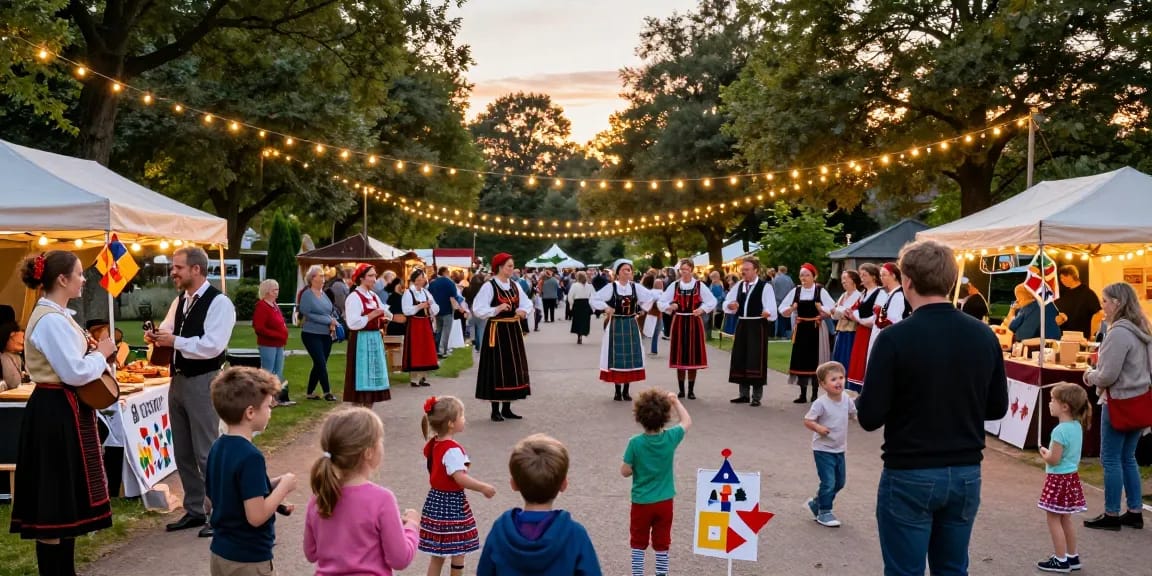
Understanding the Role of Cultural Festivals in Community Engagement
Cultural festivals play a vital role in fostering community engagement by providing a platform for local traditions, art, and social interaction. These events bring together individuals from diverse backgrounds, encouraging collaboration and understanding among attendees. Festivals serve not only as celebrations of heritage but also as opportunities for education and outreach, allowing communities to strengthen their cultural ties while promoting inclusivity and participation. As we navigate the evolving landscape of community events, such as the ones hosted by เกมสล็อต, it is essential to recognize the transformative power of these festivals in enhancing community spirit.
What Are Cultural Festivals?
Cultural festivals are public events that highlight the traditions, arts, and values of specific cultures. They encompass a wide array of activities, including performances, art exhibitions, workshops, and culinary experiences, all designed to showcase the richness and diversity of the hosting culture. Examples of prominent cultural festivals around the globe include the Carnival in Rio de Janeiro, the Diwali Festival in India, and the Edinburgh Festival Fringe, each celebrating unique cultural narratives and fostering community pride.
Historical Significance of Breton Festivals
The Bretagne region of France is renowned for its rich cultural heritage, celebrated through various traditional festivals such as the Festival Interceltique de Lorient. These festivals not only preserve the distinct movements, music, and languages of Brittany but also provide a sense of belonging to its inhabitants. Historically, Breton festivals have been a medium for transmitting knowledge and cultural practices from generation to generation, ensuring the sustainability of local traditions amidst modern influences.
Community-building through Festival Participation
Participation in cultural festivals has significant implications for community building. By attending these events, individuals forge connections, share experiences, and engage in dialogue that fosters mutual respect and understanding. Festivals often encourage local businesses to participate, further energizing the economy and creating a sense of collective ownership. This synergy between commerce and community engagement helps breed pride in local culture, reinforcing the notion that cultural festivals are pivotal in nurturing social cohesion.
Exploring the Integration of Technology in Festivals
In recent years, the integration of technology in cultural festivals has transformed how attendees engage with events. Technological tools can enhance the overall experience, making it more interactive and accessible. Innovations such as mobile applications for scheduling, live streaming for audiences unable to attend in person, and augmented reality experiences have become prevalent in festival planning and execution. By leveraging technology, organizers can create immersive experiences that resonate with a wider audience.
The Role of Multimedia in Enhancing User Experience
Multimedia elements, including video, sound, and interactive installations, are increasingly used in festivals to captivate attendees’ attention. For example, visual art displays paired with soundscapes can transport festival-goers to a different world, enriching their overall experience and promoting deeper emotional connections to the cultural narratives being presented. By investing in high-quality multimedia production, festivals can elevate their status and impact.
Utilizing Social Media for Festival Promotion
Social media platforms have become indispensable for promoting cultural festivals, allowing organizers to reach potential attendees quickly and efficiently. Engaging content, from behind-the-scenes glimpses to artist spotlights, can generate excitement and anticipation before the event. Additionally, social media enables real-time interaction during festivals, where participants can share their experiences, further enhancing community engagement through digital dialogue.
Innovative Ticketing Solutions and Virtual Attendance
The advent of technology has ushered in innovative ticketing solutions that make the process of attending cultural festivals more accessible. Digital ticketing allows for easy purchasing, while implementing QR codes for entry reduces queues and enhances user experience. Moreover, virtual attendance options have expanded the reach of festivals significantly. By offering live streams and virtual experiences, organizers can engage audiences beyond geographical constraints.
Key Elements of Successful Cultural Festivals
While the characteristics of successful cultural festivals can vary, certain key elements remain universally applicable. From effective planning and coordination to impactful marketing strategies, understanding the essentials can significantly influence the success of these events.
Effective Event Planning and Coordination
Planning a cultural festival requires meticulous attention to detail. Effective coordination among various stakeholders, including local artists, vendors, and sponsors, is essential to create a seamless experience. Setting clear goals, timelines, and responsibilities ensures that every aspect of the festival runs smoothly, from logistics to programming. Utilizing software tools designed for event planning can significantly enhance organizational capabilities.
Promotion and Marketing Strategies for Maximum Engagement
Marketing strategies must align with audience demographics and cultural contexts to achieve maximum engagement. Utilizing targeted advertising, collaborating with local influencers, and crafting compelling narratives around the festival theme can capture the interest of potential attendees. Creating a unified brand image across all promotional materials helps in building recognition, ensuring that the festival remains memorable.
Ensuring Inclusivity: Engaging Diverse Audiences
In today’s multicultural societies, ensuring inclusivity in cultural festivals is paramount. Organizers should actively seek to represent a diverse range of voices and perspectives, creating a program that resonates with various community segments. Providing multilingual materials, accessibility options, and culturally sensitive programming can encourage broader participation, allowing the festival to reflect the community's diversity while fostering unity.
Challenges Faced by Cultural Festival Organizers
Despite the benefits, organizing cultural festivals presents several challenges. Being aware of these can better equip organizers to navigate the complexities of event management.
Logistical Challenges and Solutions
Logistical challenges often arise in the planning stages, including securing venues, coordinating schedules, and managing vendor contracts. To mitigate these issues, organizers should develop a comprehensive project management plan, allowing them to track progress, adjust timelines, and address potential roadblocks proactively. Collaborating with experienced event managers can also provide valuable insights into best practices.
Funding and Sponsorship Issues
Sustaining cultural festivals often hinges on securing adequate funding and sponsorship. Organizers must be proactive in seeking partnerships with local businesses and organizations that align with the festival's values. Crafting compelling sponsorship proposals that highlight mutual benefits can increase the likelihood of obtaining support. Additionally, diversifying funding sources through grants, ticket sales, and merchandise can provide financial stability.
Managing Community Expectations and Feedback
Festival organizers must be prepared to manage community expectations and feedback effectively. Engaging with the community before, during, and after the event can provide valuable insights into their desires and concerns. Implementing surveys and feedback mechanisms can help organizers identify areas for improvement, ensuring that the festival remains relevant and aligned with community interests.
Future Trends in Cultural Festivals: What to Expect in 2026
The landscape of cultural festivals is continually evolving, with trends emerging that reflect changing societal values and technological advancements. Looking ahead to 2026, several key trends are anticipated to shape the future of these events.
Evolving Community Needs and Festival Formats
As communities evolve, their needs and expectations from cultural festivals will also change. Organizers must remain flexible and adaptive, considering what experiences resonate with their audiences. Festivals may shift towards more thematic experiences, incorporating educational components that address current social issues while still celebrating cultural heritage.
The Rise of Hybrid Festivals: Physical and Digital Integration
The trend towards hybrid festivals, combining in-person and virtual elements, is likely to continue growing. This format allows organizers to maximize reach while creating dynamic experiences that can engage audiences both on-site and online. As technology becomes more prevalent, incorporating augmented reality and virtual interactions may redefine how attendees experience cultural festivals.
Forecasting the Future: Sustainability and Cultural Preservation
As sustainability becomes a primary focus across all industries, cultural festivals will need to address their environmental impacts. Implementing sustainable practices, such as zero-waste policies and eco-friendly services, can attract environmentally-conscious attendees while preserving cultural legacies for future generations. Festivals that prioritize sustainability will likely flourish, aligning with broader societal shifts towards environmental stewardship.
What defines a successful cultural festival?
A successful cultural festival is characterized by high levels of community engagement, effective organization, and a strong representation of cultural values. The ability to attract diverse audiences while maintaining authenticity is crucial for a festival's longevity and relevance.
How can technology improve user experience at festivals?
Technology enhances user experience by offering interactive elements, facilitating easier navigation, and allowing for digital engagement. From apps that provide real-time updates to virtual reality experiences, technology can enrich the overall festival atmosphere.
What are the common challenges faced by organizers?
Common challenges include logistical hurdles, funding difficulties, and balancing the diverse expectations of attendees. Organizers must be equipped to address these challenges through thorough planning and community engagement.
How important is community engagement in cultural festivals?
Community engagement is crucial for the success of cultural festivals, as it fosters a sense of belonging and ownership among attendees. Engaging the community ensures that the festival reflects their values and interests, ultimately enhancing its impact.
What trends are emerging for 2026 cultural festivals?
Emerging trends for 2026 include an increased focus on hybrid formats, sustainability initiatives, and themed experiences that reflect contemporary societal issues. Adapting to these trends will be essential for festival organizers aiming to remain relevant and impactful.