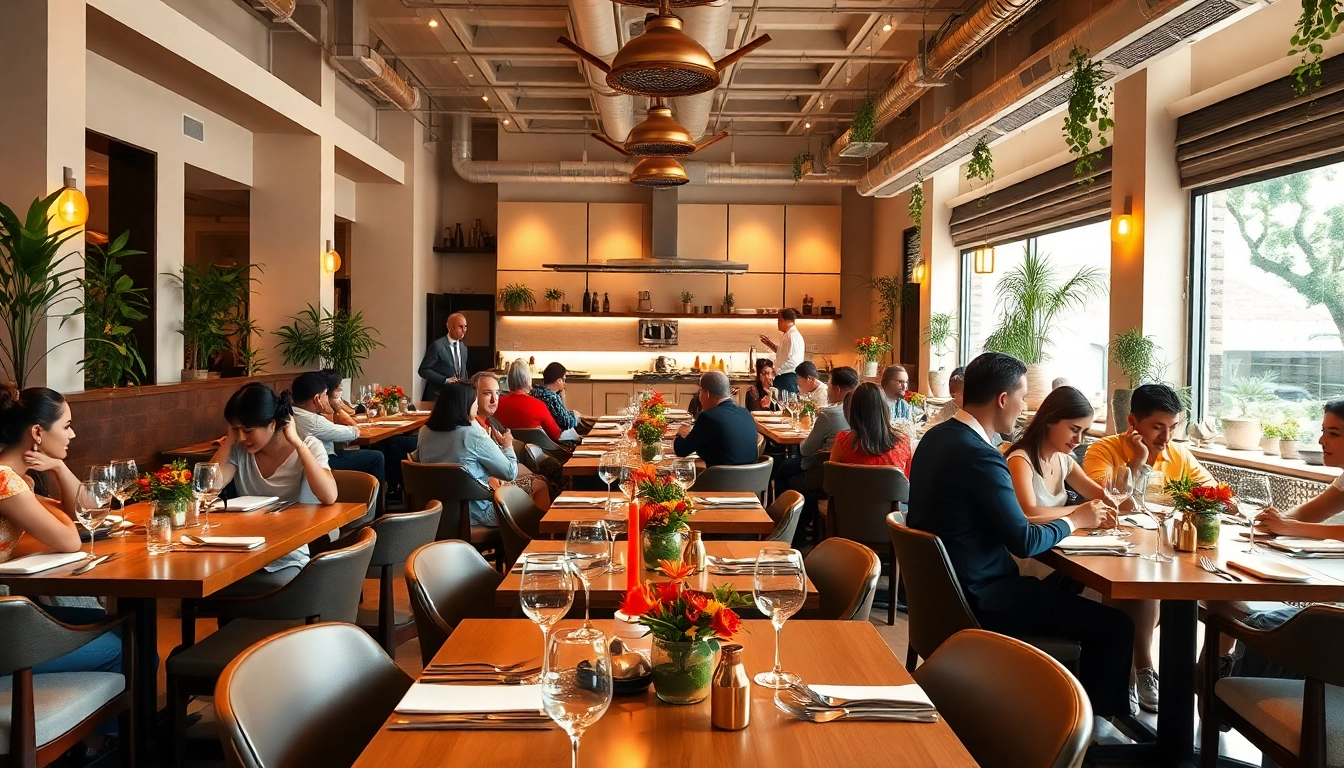
Understanding Restaurant Dynamics
In the competitive world of dining, understanding the dynamics that drive restaurant success is crucial. From ambiance to menu offerings and service quality, several factors contribute to a restaurant's identity and long-term viability. Establishing a well-rounded approach is essential for attracting customers and ensuring their return. One significant aspect of this identity is how the restaurant's offerings resonate with diverse culinary experiences. Restaurants today strive to differentiate themselves not only through unique dishes but also through how they present and market these culinary creations. For instance, exploring slot online in a gastronomic context can reveal insights into customer preferences and market trends.
What Makes a Restaurant Stand Out?
A restaurant's uniqueness is often defined by its concept, ambiance, customer service, and menu. The combination of these elements creates an unforgettable dining experience. For example, a well-curated wine list or an innovative cocktail menu can elevate a dining experience beyond just food consumption to a genuine culinary journey. Moreover, restaurants that offer a narrative—whether through owners' backgrounds, farm-to-table practices, or cultural themes—can engage customers on a deeper level.
Key Elements of a Successful Menu
Crafting a successful menu demands a balance between creativity and market demand. Key elements include an appealing layout, a coherent theme, and diverse options catering to various dietary preferences. Menu design should make selections easy for customers while highlighting signature dishes. Utilization of high-quality imagery and appealing descriptions can entice diners, encouraging them to explore new flavors.
Importance of Customer Experience
The customer experience encompasses every aspect of a diner’s interaction with the establishment, from the initial greeting to the farewell. An exceptional customer experience often includes attentive service, a welcoming atmosphere, and attention to detail. Staff training is essential, as employees are the face of the restaurant and play a significant role in shaping customer perceptions. Consistent effort to improve the experience based on feedback is fundamental to building a loyal clientele.
Exploring Innovative Dining Concepts
As the culinary landscape evolves, innovative dining concepts are becoming increasingly popular. Restaurants are no longer limited to traditional experiences; they are embracing creativity and experimentation that align with modern lifestyles.
Fusion Cuisine: A Taste of Diversity
Fusion cuisine merges elements from different culinary traditions, creating dishes that appeal to a broader audience. This approach allows chefs to experiment with flavors and techniques, resulting in unique offerings that may surprise and delight diners. Successful fusion cuisine resonates with cultural narratives and provides an educational aspect, as customers may explore flavors from regions they have never encountered before.
Pop-Up Dining Events: Breaking the Norm
Pop-up dining events are temporary restaurants that provide exclusive, limited-time experiences. They can generate buzz and excitement, drawing attention from food enthusiasts eager to try something new. Implementing pop-up events requires strategic planning, from location scouting to menu development, but when done right, these events create memorable experiences and foster a sense of community.
Interactive Dining: Engaging Customers
Interactive dining takes customer involvement to another level, allowing them to participate in their culinary experience. This may involve cooking their food, interacting with chefs, or customizing dishes to their preference. Such engagement fosters a deeper connection, making the meal more memorable and enjoyable.
Implementing Effective Marketing Strategies
Even the best restaurant concepts may struggle without a solid marketing strategy. Effective marketing not only increases visibility but also builds a loyal customer base.
Leveraging Social Media for Visibility
In today’s digital age, social media platforms are paramount in restaurant marketing. By sharing tantalizing images, engaging stories, and user-generated content, restaurants can reach a broader audience. Creating an official page on platforms like Instagram and Facebook allows restaurants to interact with patrons and keep them informed about special events, offers, and new menu items.
Building a Brand Identity
A strong brand identity goes beyond a logo and colors; it encompasses the essence of what a restaurant represents. Establishing a cohesive brand identity across all marketing channels and customer touchpoints helps to build recognition and loyalty. Storytelling plays a critical role by conveying the restaurant’s mission, values, and unique selling propositions effectively.
Collaborations and Partnerships
Collaborating with local businesses or influencers can broaden a restaurant's reach. This might include local farms providing ingredients, partnerships with food festivals, or teaming up with local breweries. Such collaborations not only enhance the menu but also strengthen the community ties of the restaurant, leading to increased patronage and visibility.
Menu Optimization Techniques
Menu optimization is crucial for driving sales and improving customer satisfaction. A well-optimized menu not only enhances the dining experience but also contributes to the restaurant's profitability.
Analyzing Customer Preferences
Understanding customer preferences is essential for menu development. Collecting data through surveys, direct feedback, and sales reports allows restaurants to curate a menu that resonates with their target audience. Regularly reviewing sales data also helps identify trends, enabling the restaurant to adjust its offerings in line with changing preferences.
Seasonal Specials and Local Sourcing
Incorporating seasonal specials made from locally sourced ingredients enhances freshness and flavor while supporting local suppliers. Seasonal menus not only attract customers seeking novelty but also promote sustainability, which is becoming an increasingly important factor for diners. Highlighting these practices can improve a restaurant's image and appeal to environmentally conscious patrons.
Pricing Strategies for Profitability
Effective pricing strategies are crucial for profitability. Balancing between perceived value and cost, while considering competitor prices, helps in formulating a menu that appeals to diners without sacrificing margins. Cost analysis of each item ensures that prices reflect actual expenses, not only covering costs but also yielding profits.
Measuring Restaurant Success
To sustain growth in the restaurant industry, it's paramount to develop and monitor metrics that gauge performance. Understanding key indicators helps in making informed decisions that can lead to sustained success.
Key Performance Indicators to Track
Restaurants should track essential KPIs including sales per table, average check size, and table turnover rate. Monitoring these metrics provides insights into operational efficiency, allowing managers to make necessary adjustments. Additionally, examining customer retention rates and feedback can highlight areas needing improvement.
Customer Feedback and Adaptation
Customer feedback is a powerful tool for enhancing restaurant performance. Actively seeking and analyzing reviews can guide menu adjustments, staff training, and overall customer experience improvements. Rapid adaptation to feedback not only shows commitment to customer satisfaction but also fosters loyalty as patrons feel valued and heard.
Long-Term Strategies for Growth
Long-term strategies may involve diversifying menus, expanding locations, or creating loyalty programs. Investing in staff training, technology upgrades, or renovation can also enhance operational efficiency and improve the dining experience. A long-term vision, coupled with the flexibility to adapt to industry trends, is critical for sustained growth.
FAQs
1. What is the best way to attract new customers to a restaurant?
Engaging marketing strategies combined with unique offerings, social media presence, and local collaborations can attract new customers to a restaurant.
2. How often should I update my menu?
Menus should be reviewed at least twice a year to ensure they meet customer preferences and seasonal ingredient availability.
3. What role does customer service play in dining experience?
Customer service significantly impacts dining experiences; attentive and knowledgeable staff create memorable interactions that drive return visits.
4. How can I incorporate seasonal ingredients into my menu?
Establish relationships with local farmers or markets to secure seasonal ingredients, enhancing freshness and offering unique menu items.
5. What metrics should I track for restaurant performance?
Key metrics include sales per table, average customer spend, table turnover rate, and customer feedback for assessing performance.