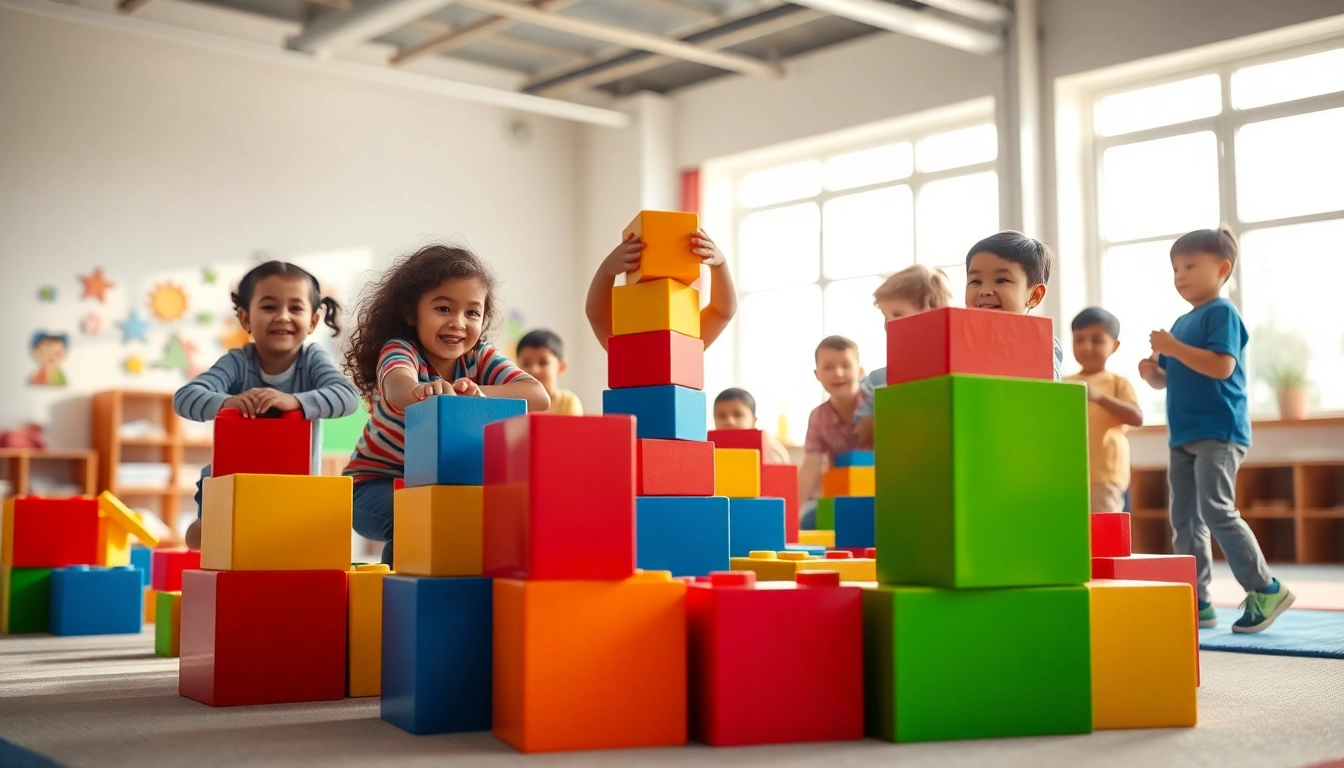
The Benefits of Giant Building Blocks in Play
Giant building blocks have taken the world of children's play by storm, offering a transformative experience that promotes not just fun, but also holistic development. These oversized blocks are more than just toys; they are tools that help nurture various essential skills. Exploring the multifaceted benefits they present can significantly enhance playtime opportunities with children. To fully grasp the impact of these large building blocks on learning and interaction, discover more. Here, we will delve into key advantages that giant building blocks can offer in stimulating growth in young minds and bodies.
Enhancing Motor Skills
The act of stacking, arranging, and balancing giant building blocks requires children to utilize both fine and gross motor skills. When children engage with these blocks, they actively hone their hand-eye coordination as they learn to maneuver the pieces into place. The way giant blocks are designed—often being larger and lighter than traditional blocks—allows for a more comprehensive range of movement. Children can push, pull, and stack without the risk of injury that smaller components might pose. This kind of active play is crucial for developing muscles and improving dexterity. As they grasp the varying sizes and shapes, kids are also developing their problem-solving abilities by figuring out which pieces fit together and how to create stable structures.
Fostering Creativity
Creativity flourishes in playful environments—especially those that encourage open-ended construction like giant building blocks. Children can let their imaginations run wild, designing everything from towering skyscrapers to intricate castles. Unlike conventional toys that come with predefined functions, giant blocks grant users the freedom to build whatever they envision. This free-form creation not only enhances imaginative thinking but also instills confidence in their ability to bring abstract ideas to life. During play, children learn the principles of design and architecture, visualizing in three dimensions as they experiment with different structures and forms.
Encouraging Social Interaction
Play is fundamentally a social activity, and giant building blocks offer a fantastic avenue for children to interact with one another. As they work on building projects collectively, crucial social skills like cooperation, negotiation, and conflict resolution come into play. Through sharing ideas and working towards a common goal, children learn about teamwork and the importance of collaboration. These interactions can also enhance emotional intelligence, as kids learn to recognize and respond to the feelings and needs of their peers. Ultimately, this fosters an atmosphere of inclusion and friendship, essential for social development.
Choosing the Right Giant Building Blocks
With various options available in the market, selecting the right giant building blocks for your child’s playtime can make a world of difference. Understanding key factors such as material, size, and design will help in making an informed decision catered to individual needs.
Material Safety and Durability
When choosing giant building blocks, the first consideration should be safety. Look for blocks made from non-toxic materials that are free from harmful chemicals. Safe plastic or foam blocks are popular choices, as they are not only lightweight but also durable enough to withstand vigorous play. Durability is crucial since children can be rough on their toys. Ensure the blocks can handle being dropped, stacked, and jostled without breaking easily, as this will ensure long-lasting enjoyment.
Variety in Shapes and Colors
A colorful and varied set of giant building blocks can significantly enhance the play experience. Blocks that come in an array of shapes and colors not only make building more exciting but also stimulate cognitive development. They promote recognition of colors and shapes, enabling children to engage in color-matching games and other learning activities. Different shapes can also encourage more complex construction challenges, allowing for advanced play as they grow and develop.
Size Considerations
Size matters when it comes to toys, and giant building blocks are no exception. They should be large enough to inspire awe and creativity but small enough for children to manipulate without difficulty. Ensure that selected blocks are suitable for your child’s age group to maintain safety and enhance ease of use. Additionally, consider storage space at home; while larger blocks offer dramatic building possibilities, they will require more room to store when not in use.
Setting Up an Indoor Adventure Zone
Creating an inviting environment for children to explore their imagination is essential. A well-designed play zone can significantly elevate the excitement and fun that giant building blocks provide.
Designing a Play-Friendly Space
To begin, choose a designated area within the house that is spacious and free from hazards. Carpets or soft flooring will provide cushioning in case of falls. Use colorful mats or play rugs that outline activity zones, creating a whimsical atmosphere that invites exploration. Consider incorporating wall-mounted boards for drawings or ideas related to building projects, turning the area into a full creative hub.
Incorporating Other Play Elements
Add variety to the play zone by including other elements that complement the giant building blocks. For instance, add soft toys, fabric tunnels, or slides that integrate seamlessly into the play experience. This multi-dimensional approach to play will not only keep children engaged for longer but will also serve to enhance their imaginative play by providing them with various scenarios and contexts to explore.
Safety Measures and Guidelines
Safety should always be a priority in a play environment. Start with a thorough inspection of the space to eliminate small items or obstacles that could pose a risk. Establish guidelines on safe play, such as ensuring that children do not stack blocks too high without supervision. Additionally, encourage children to play close to the floor when constructing, to minimize the risk of serious injury, and regularly remind them about sharing and cooperative play principles.
Fun Activity Ideas Using Giant Building Blocks
Maximizing the play potential of giant building blocks means integrating structured activities that keep the fun flowing and fuel learning.
Building Challenges
Introduce building challenges that encourage creativity while also fostering skills such as critical thinking and problem-solving. For example, set a timer and have children work in teams to construct the tallest structure possible. This not only enhances cooperative play but also introduces them to concepts like stability and balance. You can take these challenges outdoors or incorporate them into a themed adventure day.
Teamwork-Based Games
Design games that require teamwork, such as relay races with building blocks. Divide children into teams and create a course where they have to transport blocks from one station to another, constructing a predetermined design at the end. This instills a sense of collaboration and encourages them to communicate effectively for successful completion of the tasks.
Storytelling Through Structure
Combine storytelling and building by asking children to create environments or structures that relate to a favorite story. For instance, they might build a giant castle for a princess or construct a zoo for their favorite animals. This melding of imagination and physical play allows children to express their understanding of the stories while promoting creative thinking and language development.
Maintaining and Storing Your Building Blocks
Once you invest in giant building blocks, maintaining their quality and knowing how to store them properly will ensure years of enjoyment and play.
Cleaning Techniques
Regular cleaning of blocks is necessary to keep them hygienic and safe for kids. Depending on the material, washing them with mild soap and warm water is usually sufficient. Avoid harsh chemicals that can wear down the material. For plastic blocks, you may also opt for a disinfectant spray, ensuring that they are completely dry afterward to prevent mold buildup.
Storage Solutions
Finding the right storage solution can make a big difference in maintaining an organized play area. Consider utilizing clear storage bins that allow children to see their building blocks and encourage independent clean-up. Alternatively, you can create a designated play area with shelves for easy access, enabling kids to establish a routine around putting their building blocks away after use.
Extending Lifespan and Use
To extend the lifespan of your giant building blocks, avoid exposing them to extreme temperatures or direct sunlight for extended periods. Encourage rotational play by introducing new tasks or reimagining previous efforts, thereby keeping the engagement fresh and exciting. This approach not only prolongs physical use but also stimulates ongoing learning and creativity.
Frequently Asked Questions
What age group are giant building blocks suitable for?
Giant building blocks are generally suitable for children aged 2 and up, as their size minimizes choking hazards and allows for safe manipulation.
How do giant building blocks promote education?
Giant blocks promote education through hands-on play that enhances motor skills, fosters creativity, and introduces fundamental concepts of engineering and math.
How can I ensure safety when my child plays with blocks?
Ensure safety by inspecting the playing area for hazards, supervising play to prevent risky stacking, and establishing clear guidelines for safe play.
Can building blocks be used outdoors?
Yes, many giant building blocks are durable and designed for outdoor use. Always check manufacturer guidelines for weather resistance.
What cleaning methods are best for maintaining blocks?
The best cleaning methods involve mild soap and warm water, avoiding harsh chemicals, and ensuring items are thoroughly dried post-cleaning.